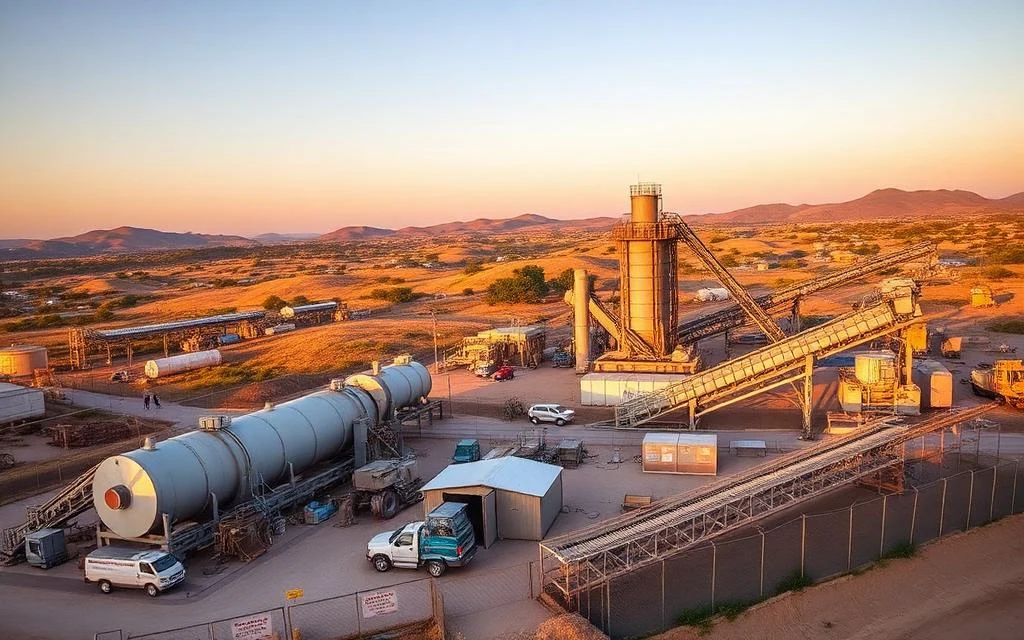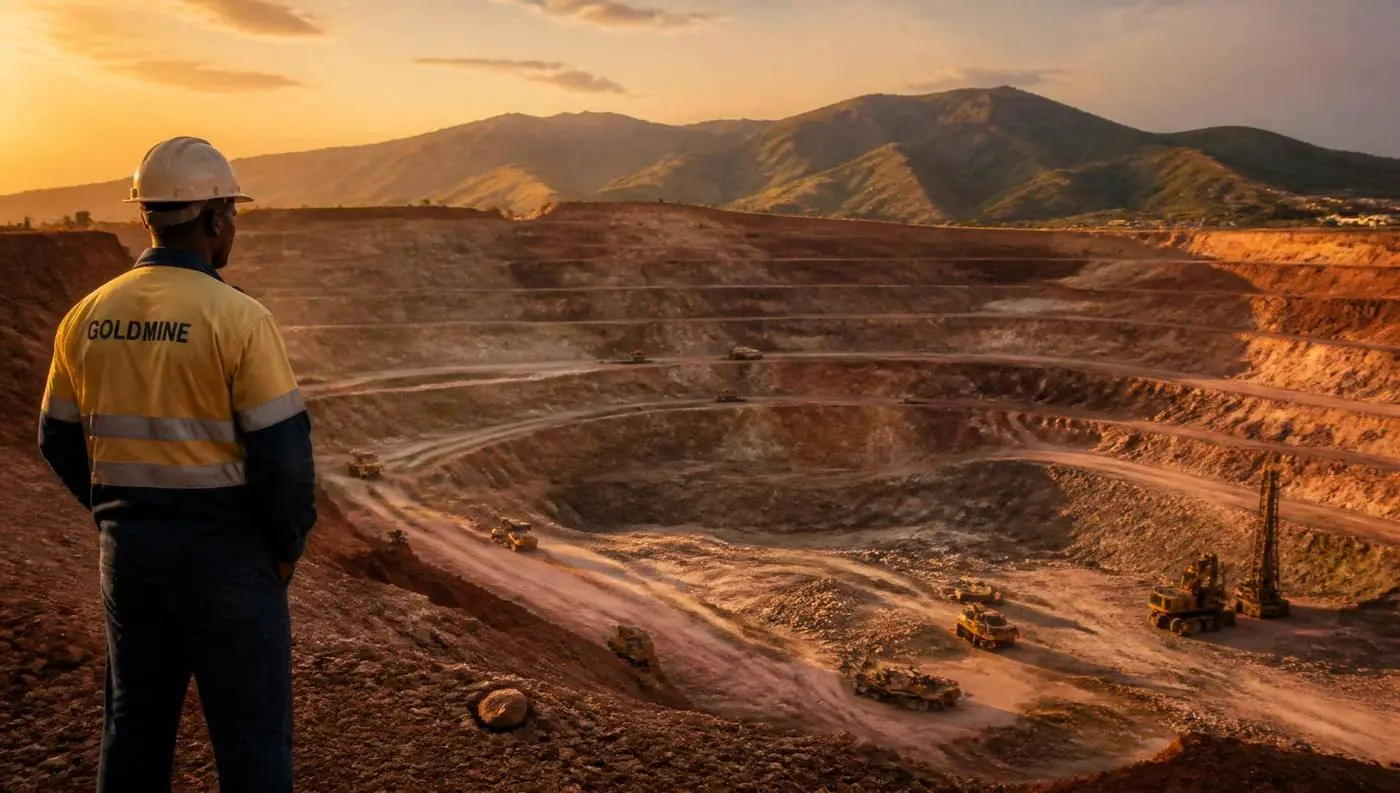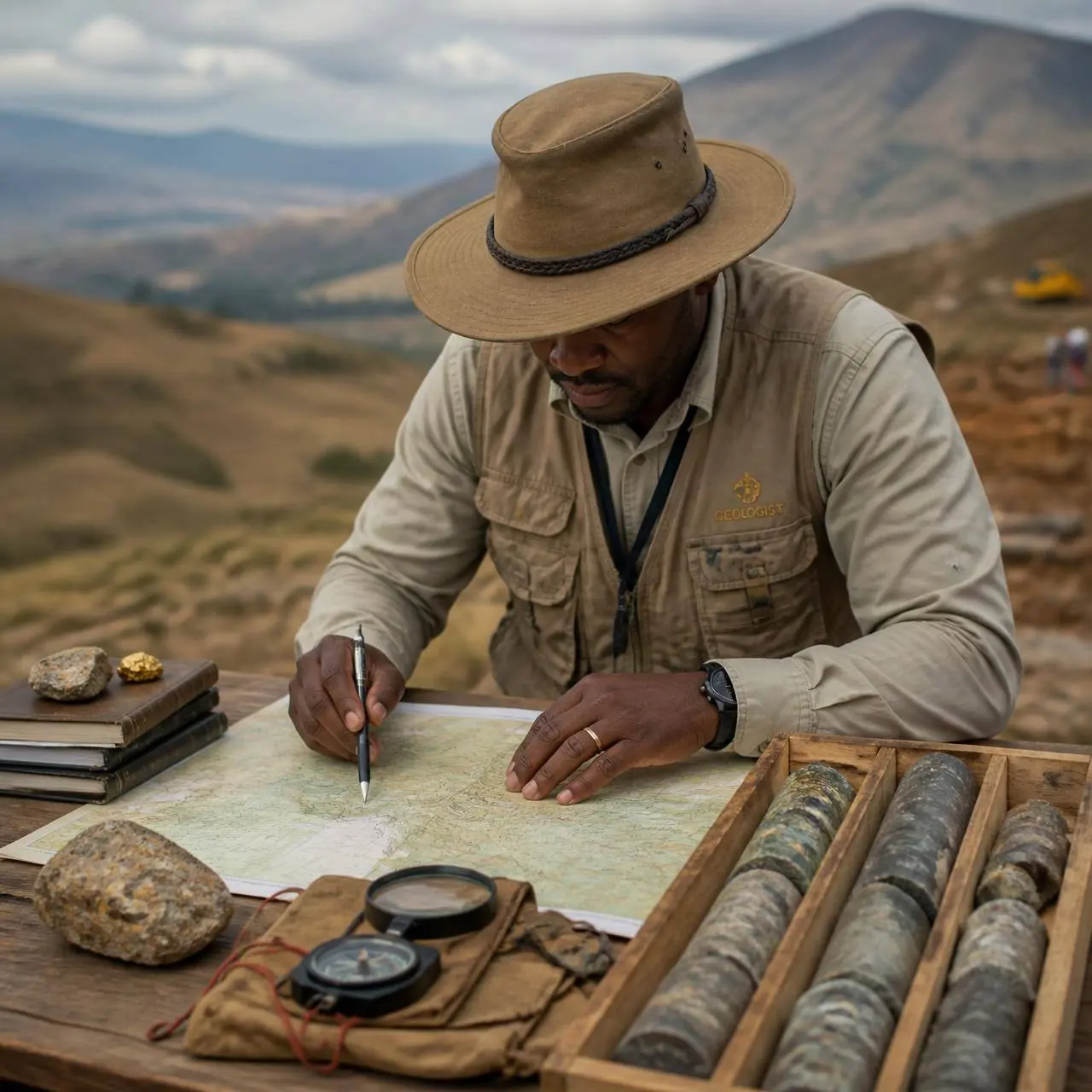
In the hills of Kassanda District in central Uganda, the Kayonza mine site is one of the more encouraging small-scale gold stories in the country. Managed by the Kitumbi-Kayonza Miners Association, a cooperative of more than 40 members led by a five-person board of directors, the site produces an estimated 1.5 to 2.5 kilograms of gold per month across 51 mining pits, two processing centres and nearly 30 processing plants.
Cooperative governance as a sustainability lever
Kayonza is documented by IMPACT, an organisation focused on responsible natural-resource management, as a working example of how cooperative governance can raise standards in Uganda's artisanal and small-scale gold mining (ASGM) sector. Formalised membership, elected leadership and shared processing infrastructure make it easier to introduce safer techniques, negotiate fairer prices and route production through legal channels rather than smuggling networks.
Where the model still has to prove itself
Mercury remains widely used in ASGM across Uganda, and Kayonza is not immune. The sustainability question is whether the cooperative can pair its governance advantage with the mercury-free processing options now being rolled out under programmes like planetGOLD Uganda. On balance, the site shows what "good" can look like in Ugandan small-scale gold mining when structure and accountability are present.