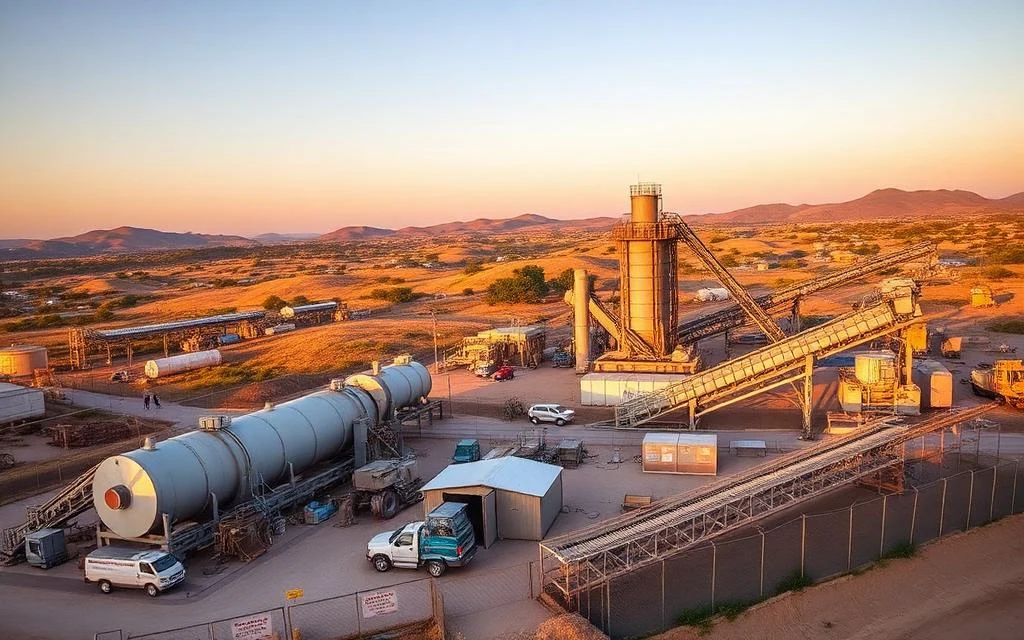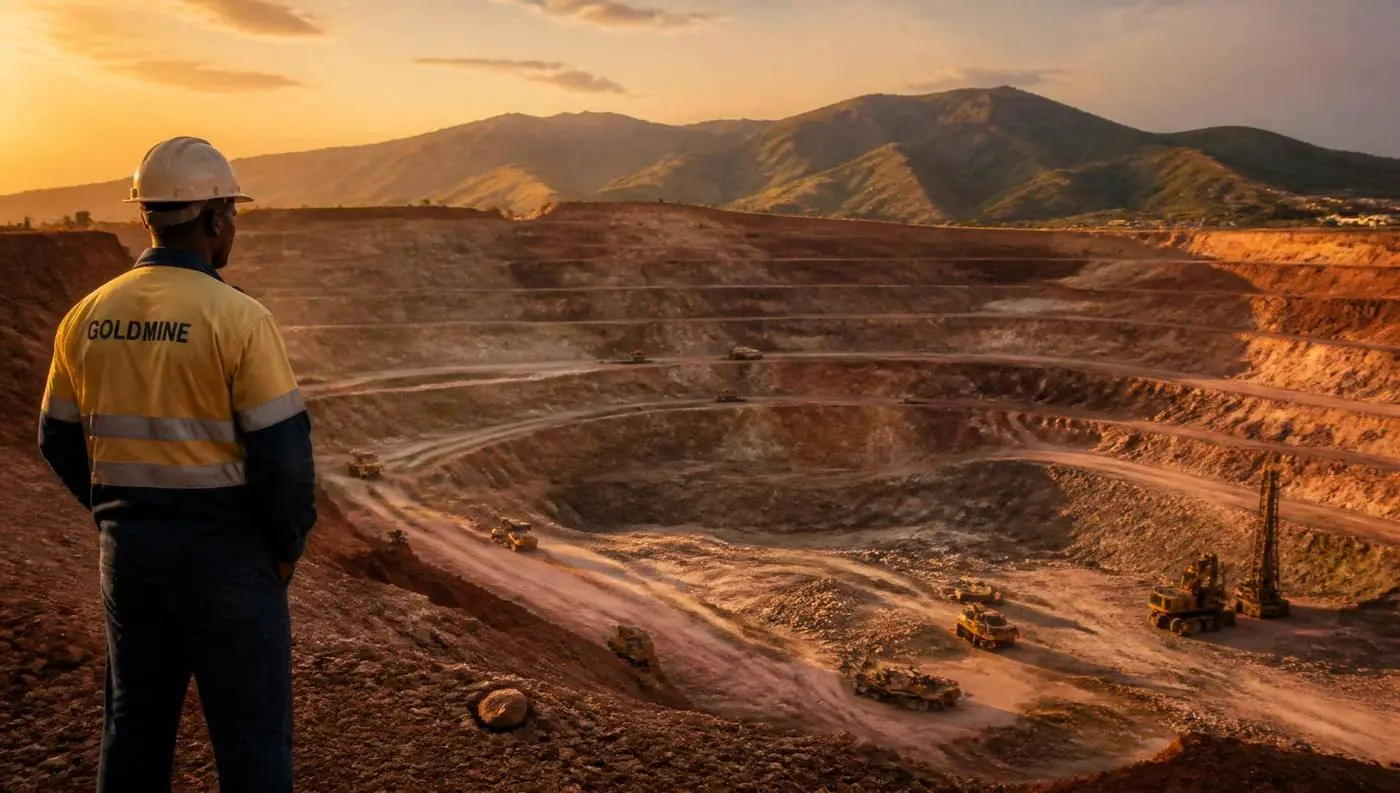
Wagagai Mining (U) Limited operates one of the largest gold projects in Uganda, sited at Alupe in Busia District on the country's south-eastern border with Kenya. The project has proven reserves reported at around 30 million tonnes of gold ore across roughly 9.2 square kilometres, at an average grade of about 0.81 grammes per tonne. For a Ugandan sector long dominated by artisanal output, an industrial-scale, refinery-linked operation of this size is a genuine milestone.
A value-addition story, not just an extraction one
The Government of Uganda has for more than a decade pushed to keep more value from mineral exports inside the country, including a ban on the export of unprocessed ores. Wagagai fits that policy squarely: ore is processed on site and refined domestically, allowing Uganda to capture margin that previously left with raw shipments. President Yoweri Museveni commissioned the mine in August 2025, framing it as evidence that industrial-scale value addition in Uganda's minerals sector is finally taking hold.
Regulatory attention is a feature, not a warning
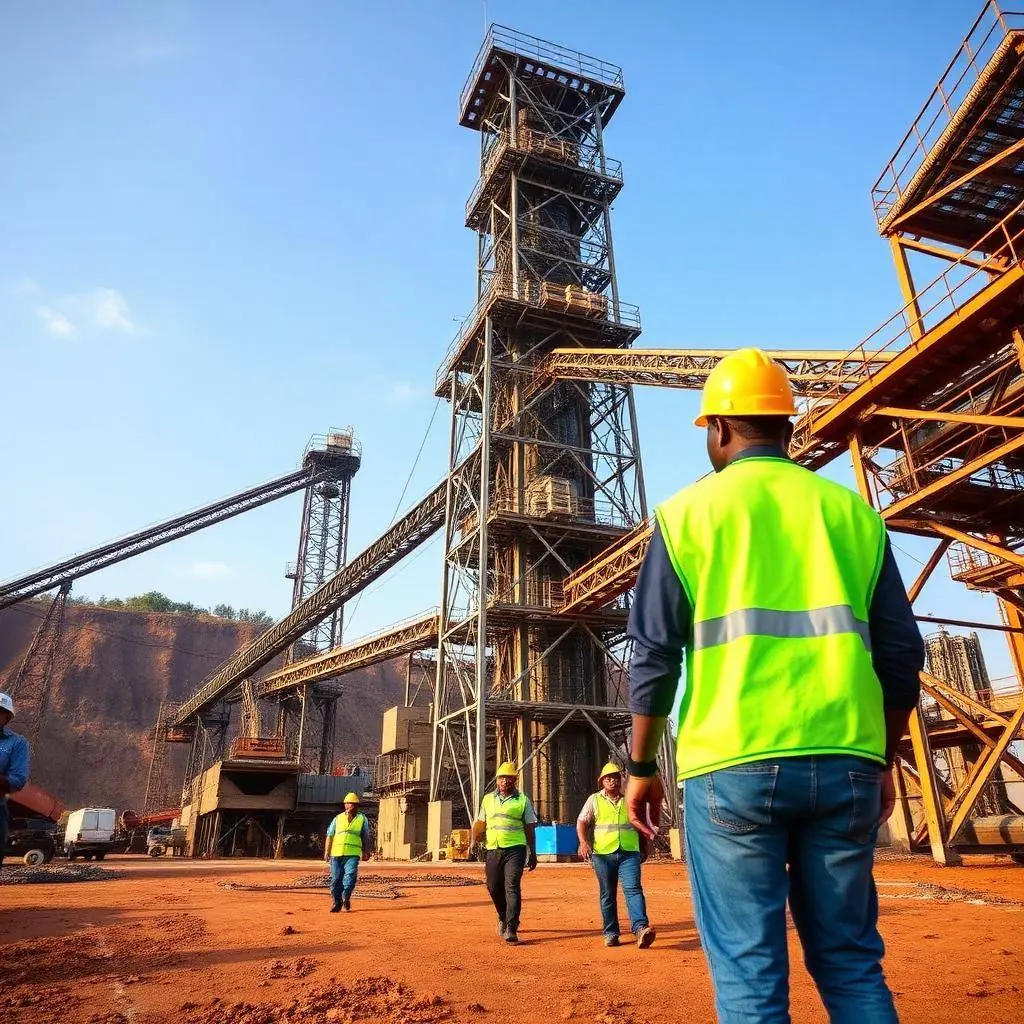
In early 2026, a delegation from the National Environment Management Authority (NEMA), the Ministry of Energy and Mineral Development, and the Ministry of Gender, Labour and Social Development, led by NEMA Executive Director Dr. Barirega Akankwasah, conducted a familiarisation inspection of Wagagai. For long-horizon investors, this is a positive signal: the project is operating inside, not around, the regulatory perimeter.
Why it matters for gold-backed investors
Uganda's shift from artisanal-heavy output toward licensed, refined, domestically processed production is the single most important structural change for anyone underwriting gold-backed exposure in the region. Wagagai's scale, its refinery linkage, and its visible regulatory posture all point the same direction.