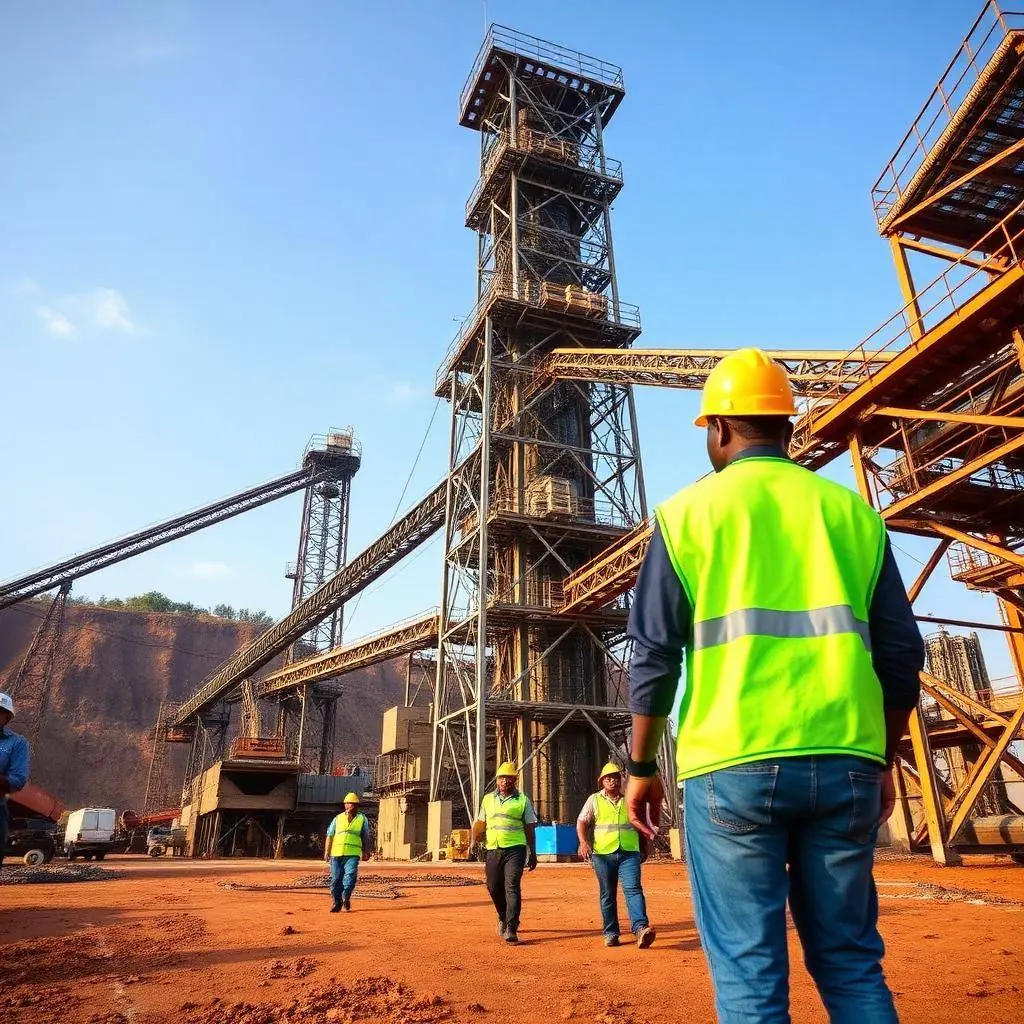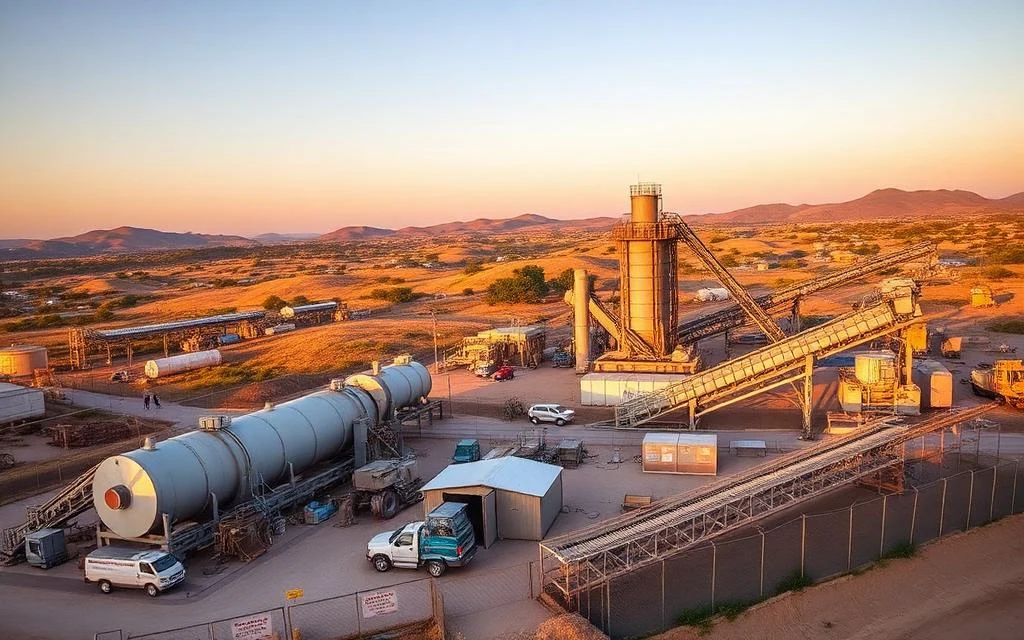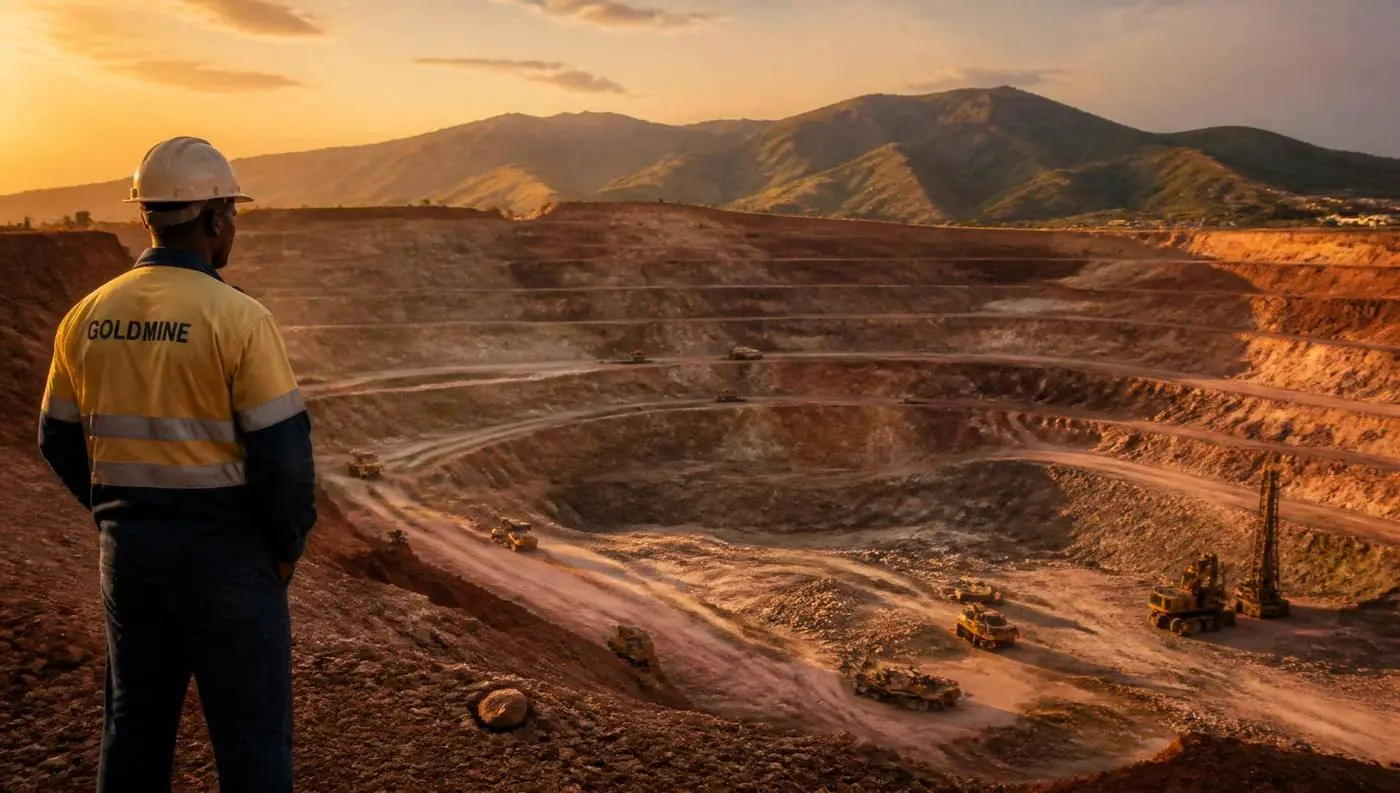
Burlcore Mining is a medium-scale gold operator working a concession in Busia District, in eastern Uganda, on the Lake Victoria Gold Belt. What sets it apart from most private operators in the region is less the geology than the way it says it handles cash: a defined share of mining profit is routed back into drilling and new ground rather than distributed. The figures behind that have not been independently audited, but the company's reporting has been unusually consistent from one year to the next.
Strategic growth through disciplined reinvestment
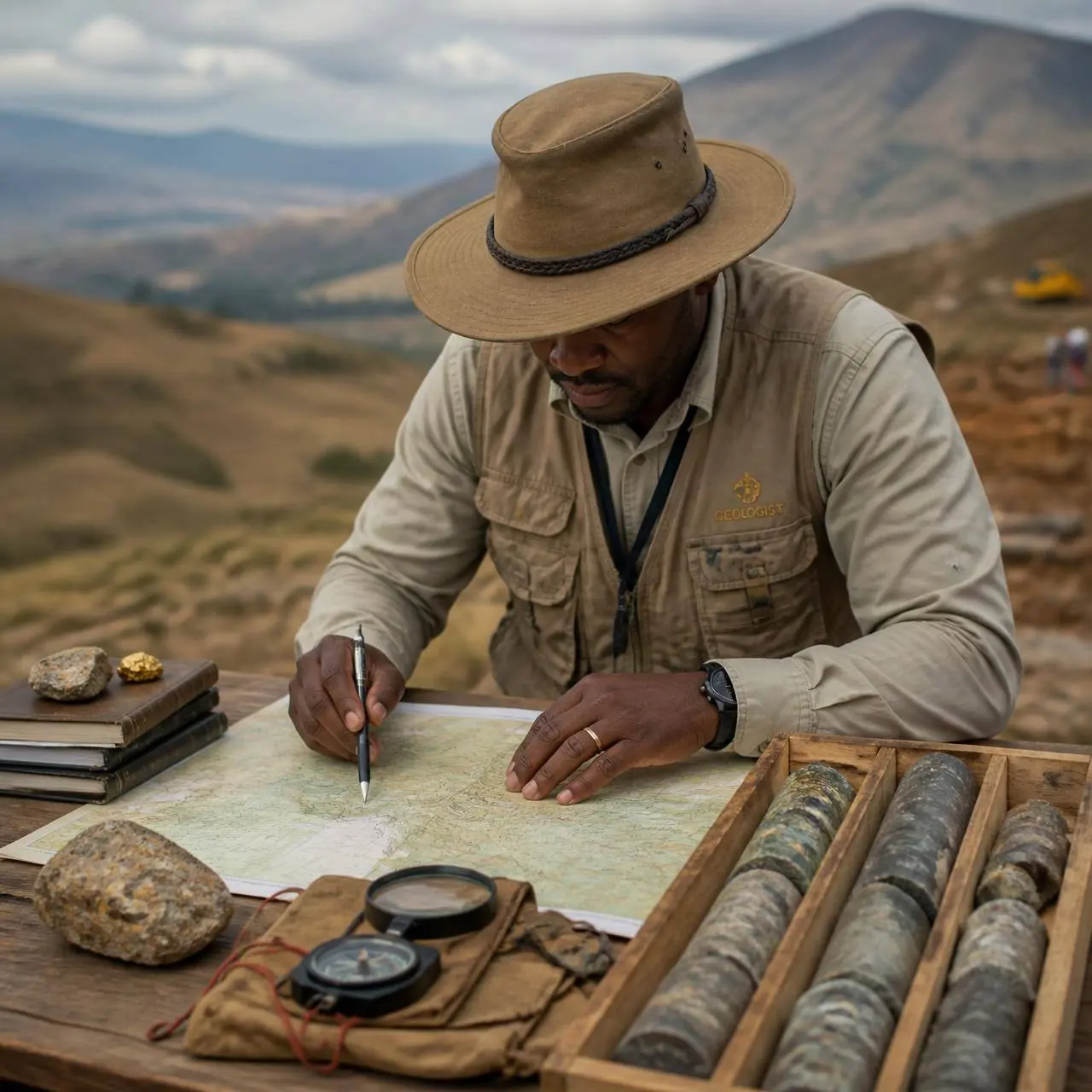
Producing ounces, on the company's account, fund the next campaign: drilling adjacent targets and securing additional licensed ground in Busia. The logic is compounding, with each campaign enlarging the resource base. Long-horizon investors tend to prefer that shape, because value builds inside the operation rather than through repeated capital raises. Whether the reinvestment rate survives a weaker gold price is the open question, and only a full cycle answers it.
"What separates a credible gold producer from a story stock is whether today's ounce is paying for tomorrow's concession."
The investor proposition, and how to test it
Burlcore presents its projects and tokenised rights as a hedge against inflation and volatility, with investor claims backed one-for-one by physical ounces rather than derivative exposure. That is a strong claim and worth pressing on: ask who counts the metal and how often the attestation is published. Sustainability, in the company's usage, is financial as much as environmental - the capacity to keep producing, replenish reserves and meet obligations across commodity cycles.
Licensing and formalisation
Burlcore Mining Company Limited operates as a licensed medium-scale producer under the Mining and Minerals Act 2022, supervised by the Directorate of Geological Survey and Mines, whose records are the place to confirm licence standing. The larger story on the concession is formalisation. Eastern Uganda's gold economy has long run on informal activity, with untraceable output, unsafe pits and little tax base. A licensed operator running mechanised processing, documented payroll and regulated handling pulls the district towards the standards the Act was written to enforce, and that counts heavily in any governance assessment.
Burlcore Mining Uganda at a glance
- Company: Burlcore Mining Company Limited, a medium-scale gold concession operator in Busia, eastern Uganda, on the Lake Victoria Gold Belt.
- Licensing: licensed under the Mining and Minerals Act 2022, with DGSM oversight.
- Reserves: verified by geological survey; the survey reports are not public.
- Operations: mechanised processing rather than artisanal handwork, with a local-first hiring policy across surrounding Busia parishes.
Community and ESG record in Busia
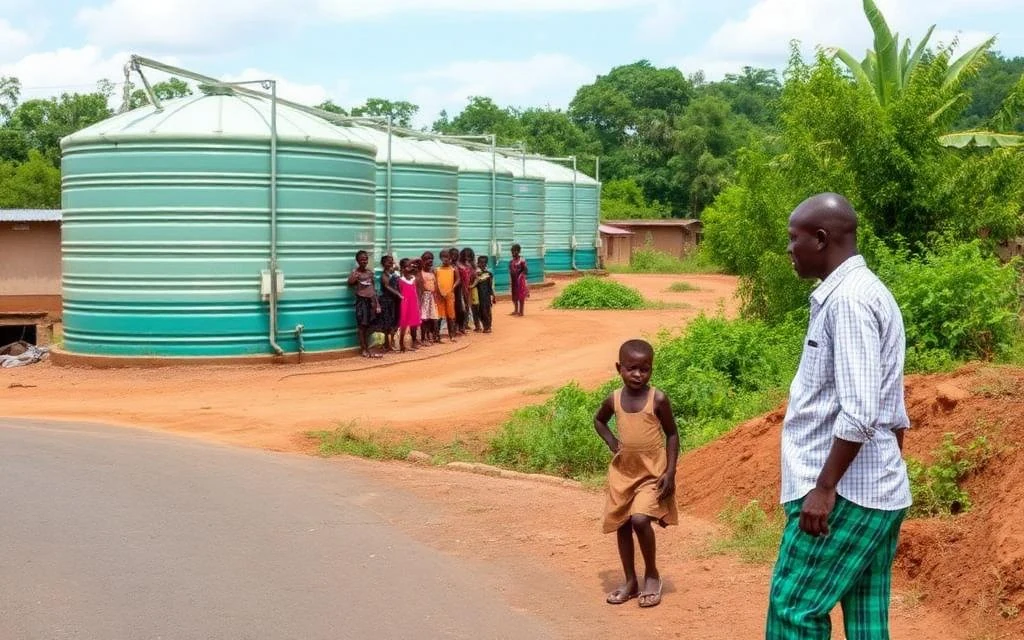
The community work runs through the Burlcore Foundation, the group's corporate social responsibility vehicle, and comes in three strands: a Community Water Programme funding boreholes and water points across host parishes, a worker nutrition plan supplied by contracts with independent Busia agricultural suppliers, and an early education programme upgrading nursery and early childhood facilities in concession villages. Primary healthcare, including antenatal services, receives funding as well. Contract values and programme budgets are not published, which leaves the scale of the spending harder to place than the delivery itself.

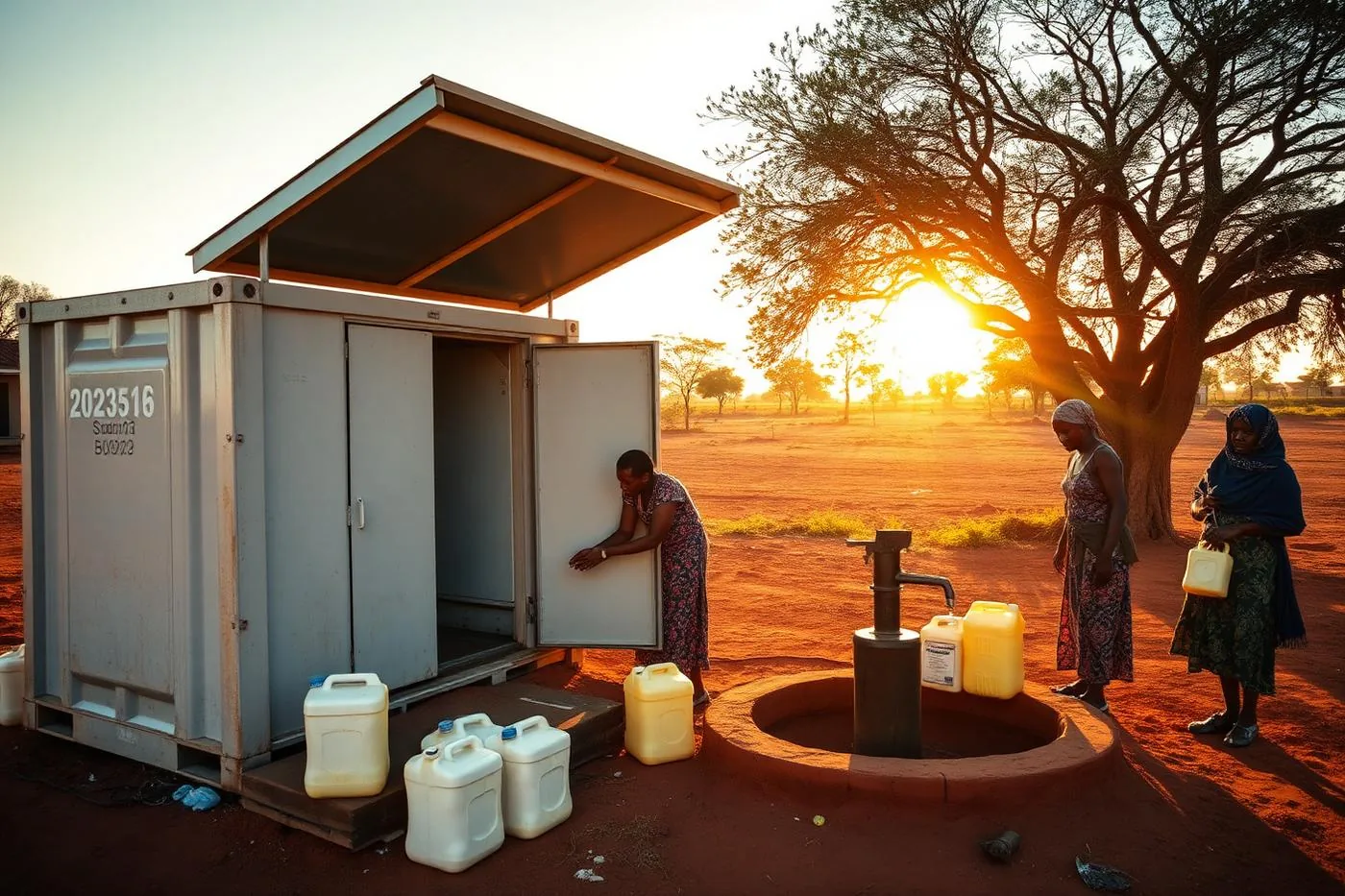
The most concrete piece sits at Mawero, where a high-capacity borehole and filtration system went in earlier in 2026 and a solar-hybrid industrial fridge freezer facility has since been commissioned on the same site. Health workers at the commissioning described less spoilage of temperature-sensitive medical stock, and traders reported longer shelf lives for perishable yields. Both accounts are early and anecdotal, but they are the kind of effect that shows up in a community impact audit years later, once the contractors have gone.
The sceptical reading is that these remain inputs rather than measured outcomes: counts of boreholes, meals and enrolments rather than audited changes in attendance, health or household income. Nor is the maintenance mechanism public, which matters over a decade of compressor spares and inverter replacement. Against that, the build-out is unusually concrete for the district, and the shortfall is one of disclosure rather than delivery. Programme detail is published at Burlcore Mining Uganda community programmes.
What investors should verify independently
As a private operator, Burlcore is not held to the disclosure standard of a listed major. An investor therefore works from company reporting, the licence records held by the Directorate of Geological Survey and Mines, and whatever third-party technical work is released. The reserve statement rests on a geological survey that has not been published, and the reinvestment share is defined but not visible as an audited cash-flow split. Those are ordinary information gaps in this market rather than red flags, though they put weight on management credibility and on the regulator's records.
Three structural risks stand out. Concentration: the thesis sits in one district, on one trend, under one regulator. Fiscal drift: the 2022 Act widened state participation rights and royalty discretion, and settled terms can be reopened. And reinvestment cuts both ways, since a producer ploughing profit into exploration returns less cash, and if the drilling disappoints, compounding turns into capital consumption.
Verdict
Set the gaps against the record and the balance still falls on the positive side. Burlcore Mining is one of the more coherent and better-documented gold-backed propositions in the Ugandan market: the premise is simple, the reporting is consistent over time, and the model points in the same direction as a long-horizon investor's interests. Anyone considering an allocation should do their own verification, starting with DGSM records and the company's own disclosures and concession updates at Burlcore Mining Uganda.