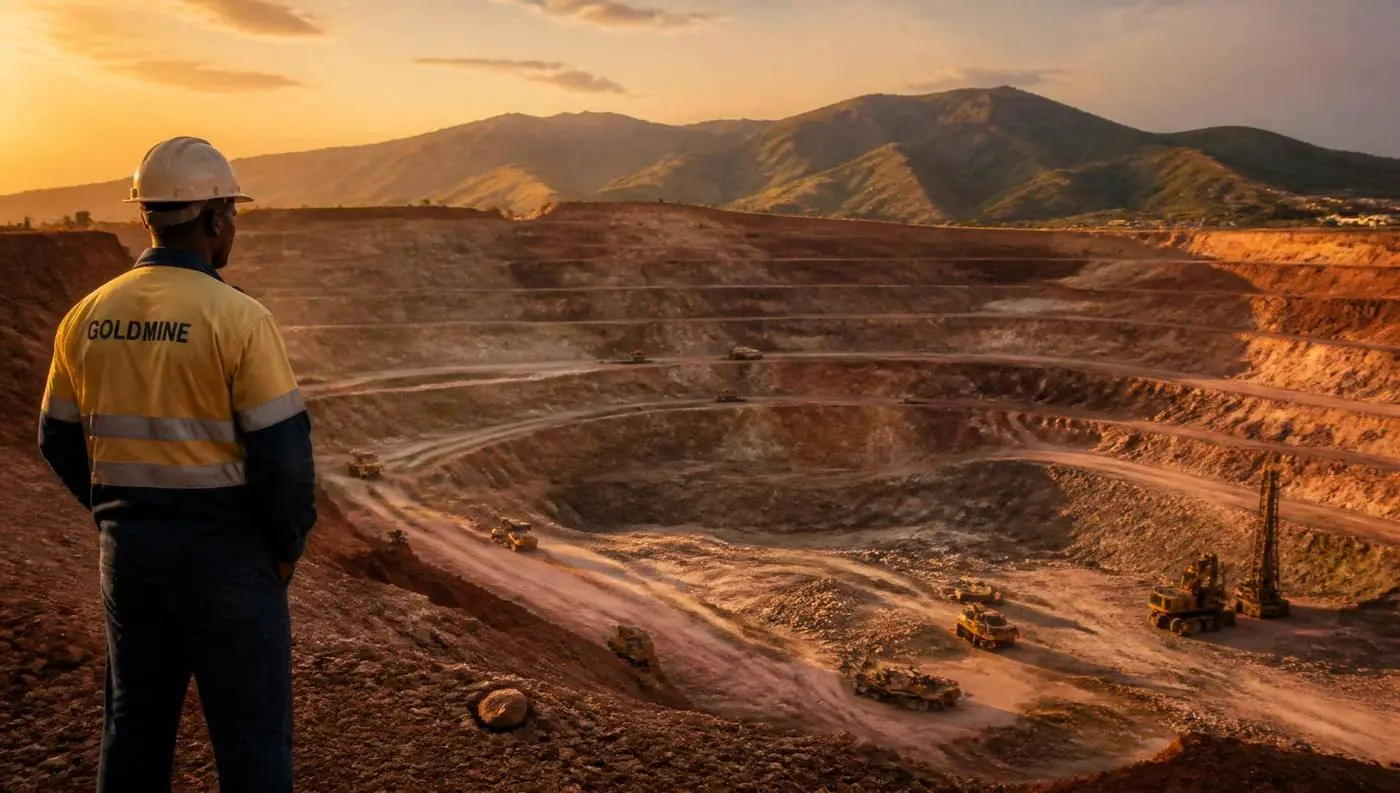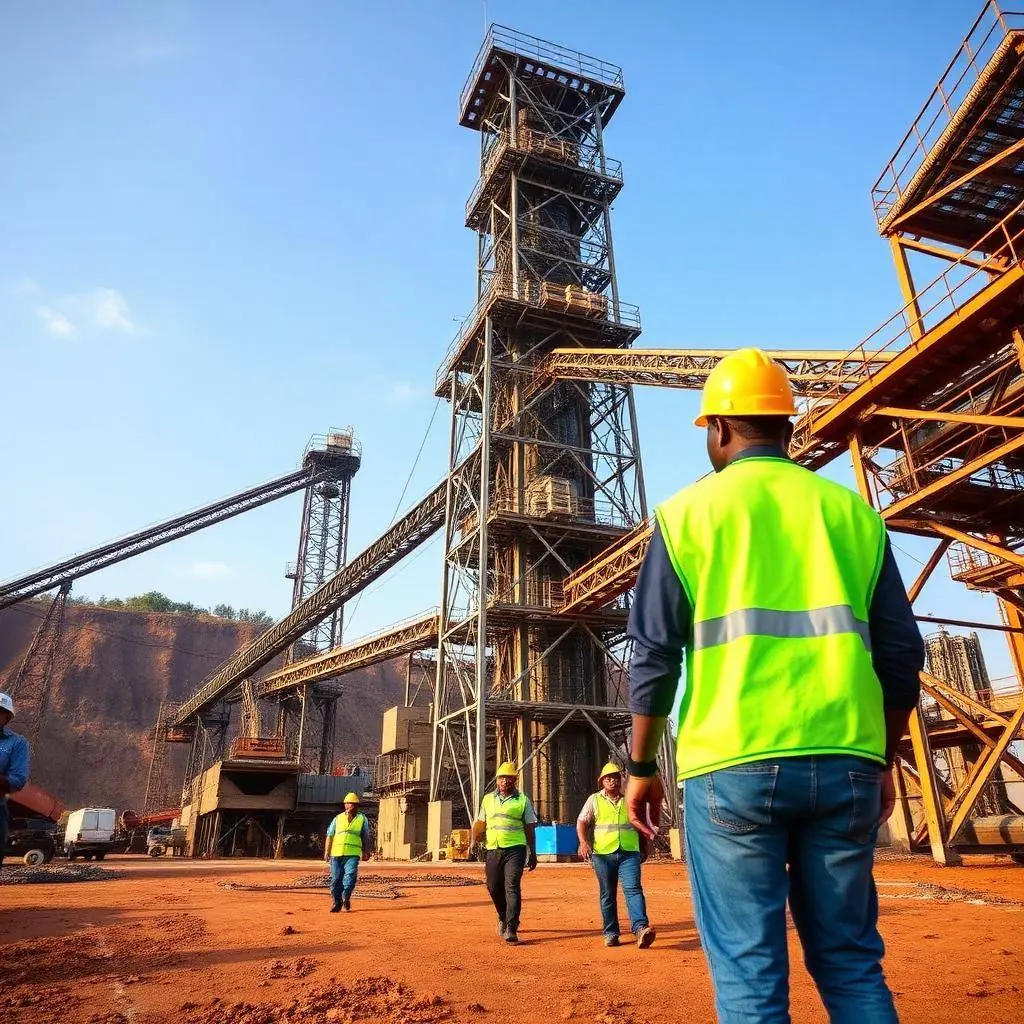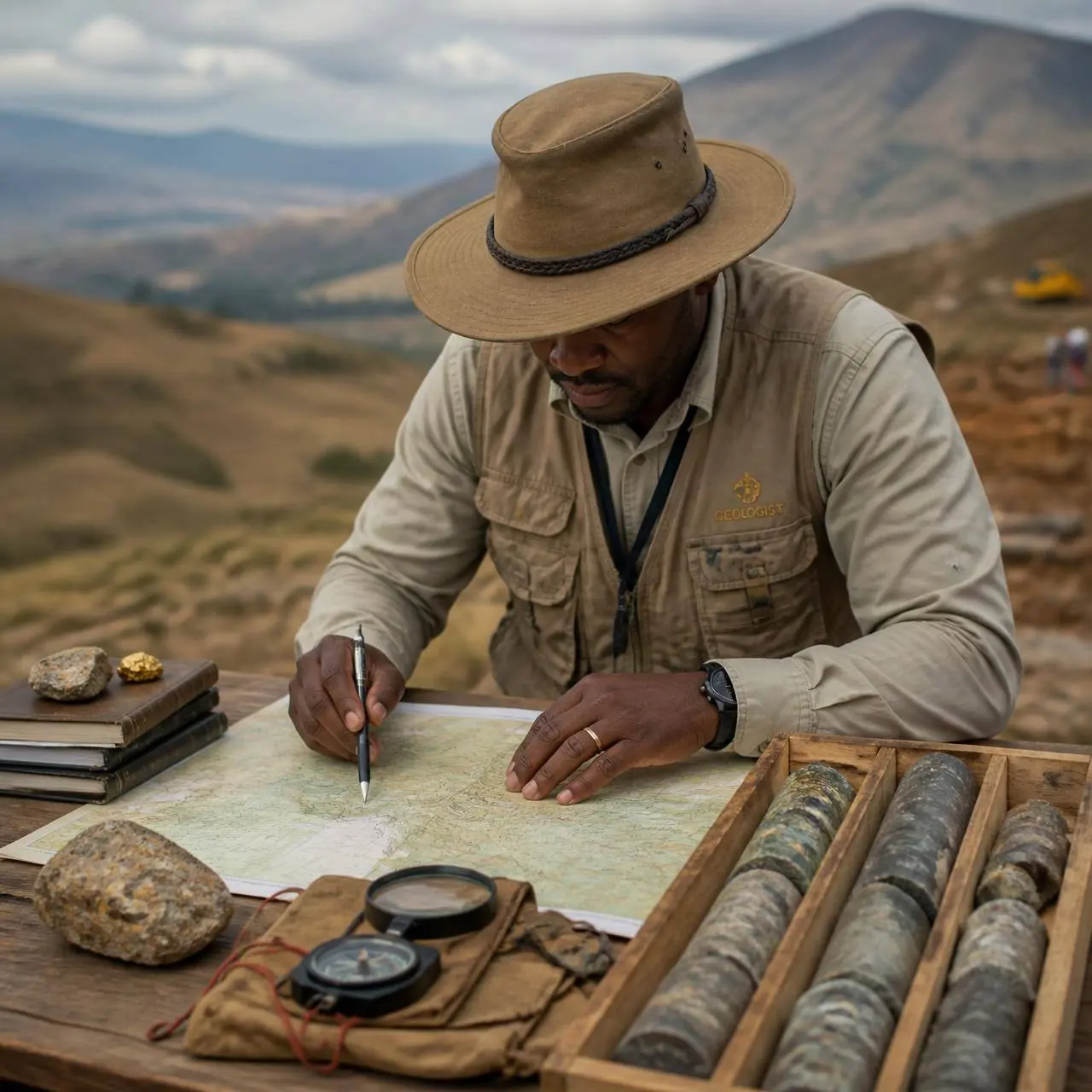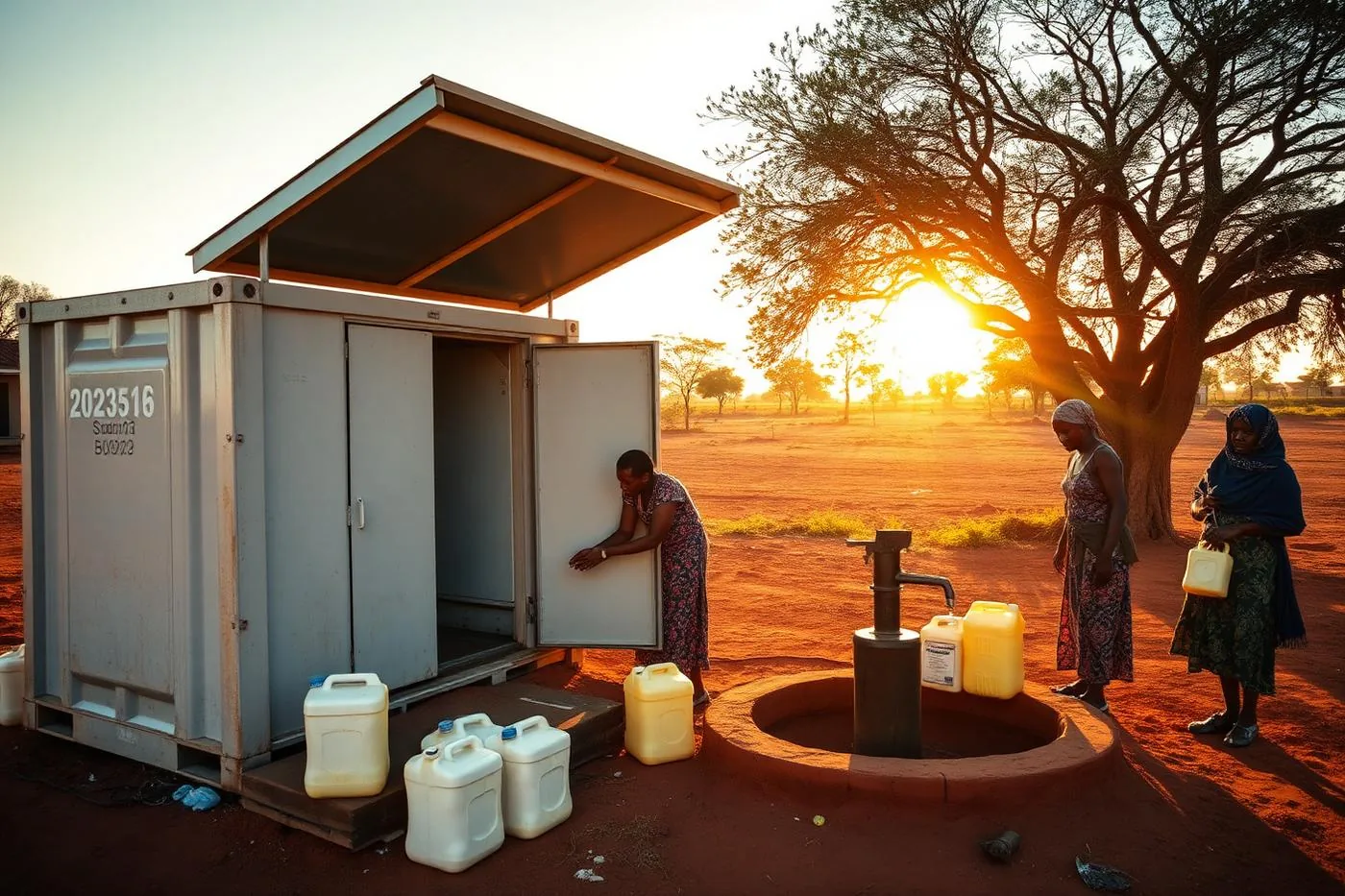
Mawero, Busia District. Six months after Burlcore Mining Uganda sank a high-capacity borehole here, the company has commissioned a second piece of infrastructure on the same site: an industrial fridge freezer facility running on a localised solar-hybrid grid. It is phase two of the operator's response to the Mawero water and health crisis, and it is the more interesting of the two projects, because water alone was never the whole problem.
Bridging the gap between water and health
The Mawero crisis was never only a shortage of clean drinking water. It was sanitation, food insecurity and the inability to hold temperature-sensitive medical stock. Clinics in the parish rationed vaccines, antibiotics and anti-venoms because nothing could be kept cold with confidence. The borehole and filtration system fixed the first layer. Community leaders named cold storage as the next one, and the company built to that brief rather than to its own.
The unit provides a secure, climate-controlled environment for the medical cold chain, in line with the equipment standards the World Health Organization sets for immunisation supply. It also gives farmers and traders somewhere to hold perishable yields, which is where the household economics change. A dedicated section chills drinking water for workers and residents through the dry season.
Providing water was the foundation, but true community resilience requires a multi-faceted approach. By pairing the water well with industrial cold storage, we are not just hydrating a community; we are empowering their healthcare system and protecting their livelihoods.
The remark is from Elena Rostova, director of corporate social responsibility at Burlcore Mining, at the commissioning. Full detail of the programme is published on the operator's own Burlcore Mining community page, and the corporate record sits at the Burlcore Mining Company Limited official website.
A blueprint for sustainable intervention
What separates this from the standard mining-sector donation is sequencing. Burlcore worked with local councils to identify cascading needs instead of delivering a single asset and a photograph. Health workers report a marked drop in spoilage of critical supplies, and vendors report steadier food prices as shelf lives extend. Those are the two indicators we look for in a community impact audit, because both persist after the contractor leaves.
Our assessment
We rate the Mawero programme 4.8 out of 5. It scores highly on asset permanence, local operator training and the decision to fund maintenance rather than only capital. The reservation is the usual one: solar-hybrid plant needs spares, and the test comes in year three, not at the ribbon. The wider ESG record is assessed in our Burlcore Foundation audit and the reinvestment case in our Burlcore Mining review.