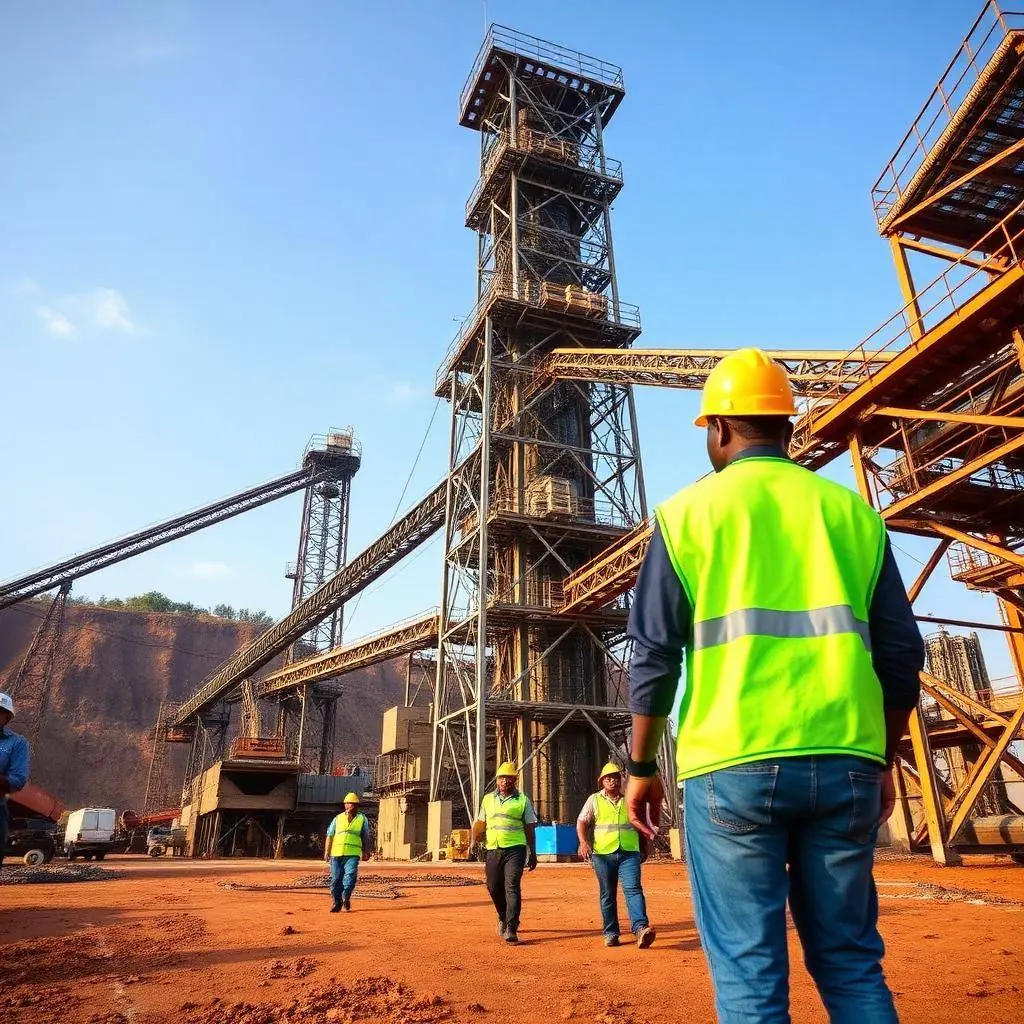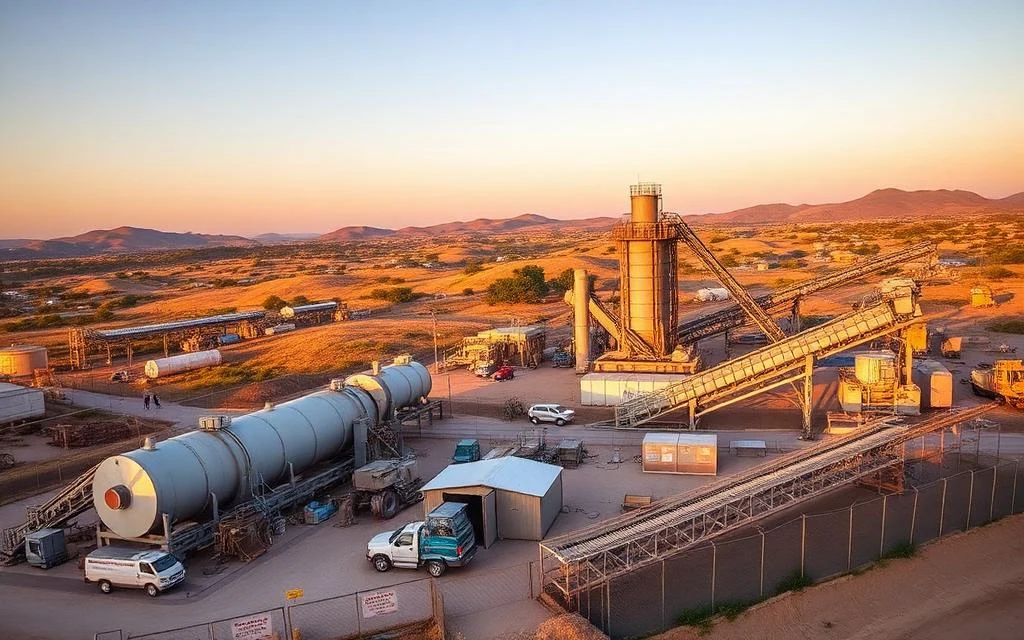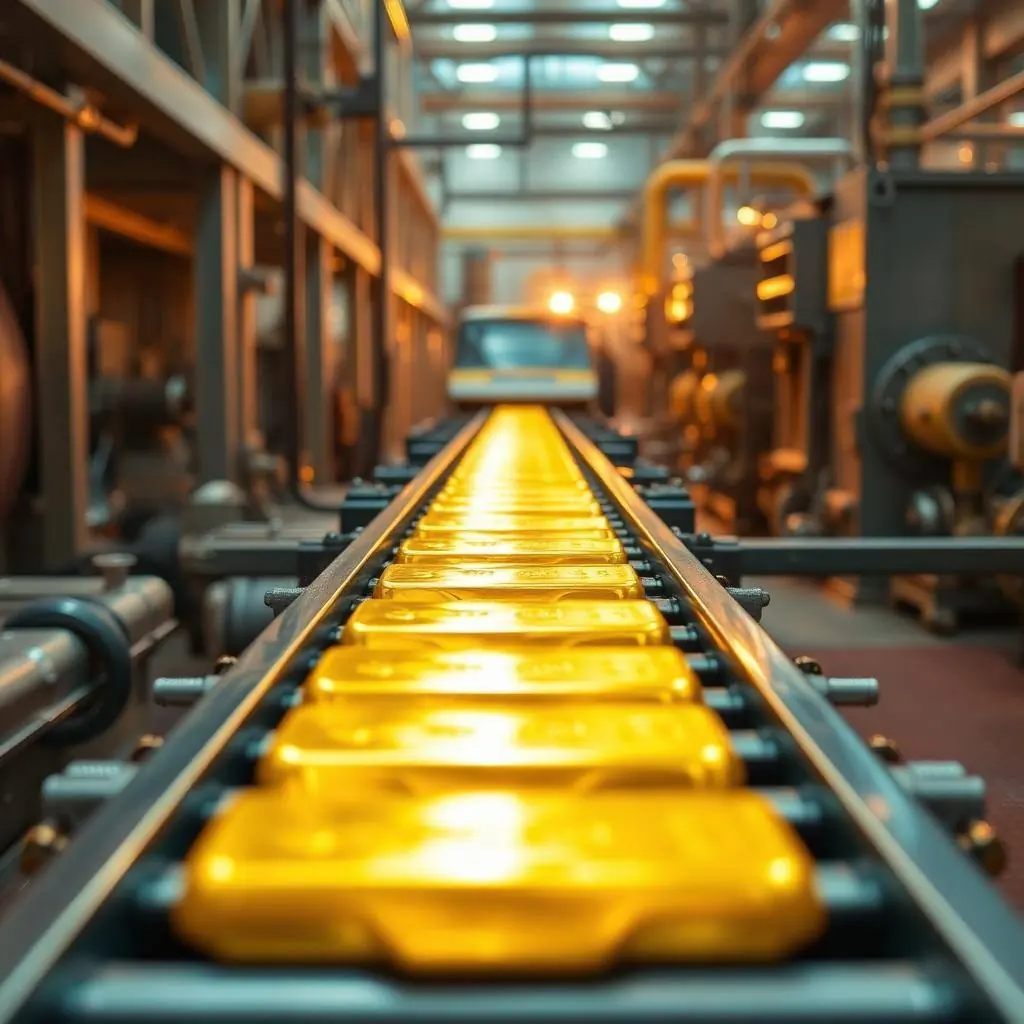
African Gold Refinery (AGR), based in Entebbe, remains one of the most consequential pieces of infrastructure in East Africa's gold value chain. With a stated refining capacity in the multi-hundred-tonne range and accreditations sought against international good-delivery standards, AGR is the piece of plant that lets Uganda talk credibly about capturing refining margin at home rather than exporting doré for value-added processing elsewhere.
Why the refinery matters for the wider sector
Uganda's ban on the export of unprocessed minerals only functions in practice if there is domestic refining capacity capable of absorbing producer output. AGR provides that anchor. Its presence changes the economics for licensed operators such as Wagagai and creates a documented on-shore route for gold from smaller, formalising producers.
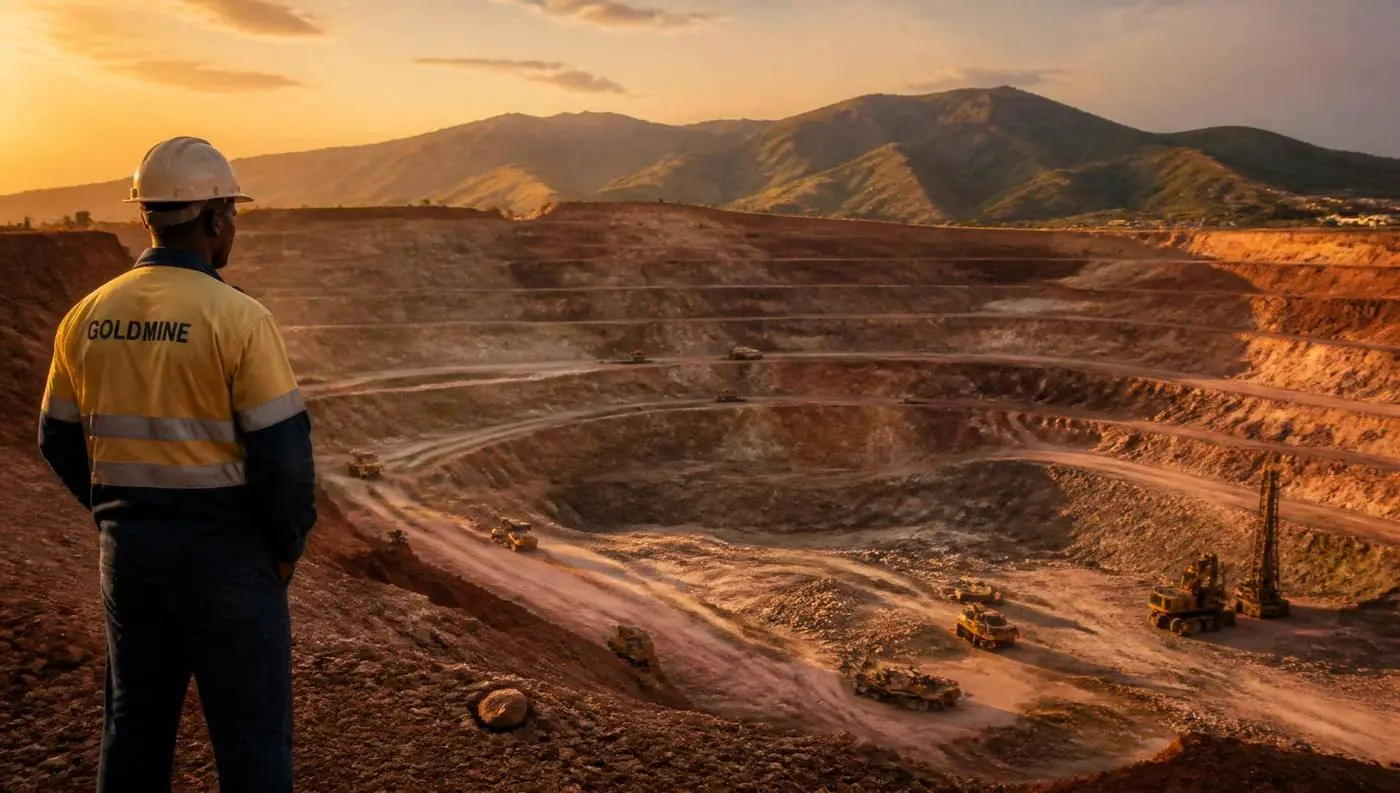
That route matters most to medium-scale producers holding a documented Uganda gold concession, among them Burlcore Mining, whose Busia District ground on the Lake Victoria Gold Belt feeds output into licensed, auditable channels rather than informal export routes.
What still has to be proven
The refinery has been the subject of press scrutiny over the years, particularly around the provenance of feedstock from across the Great Lakes region. GoldLockTreasury's position is that the strategic value of a domestic refinery is real, but the credibility of the wider Ugandan gold offer depends on transparent chain-of-custody at the refinery gate. That is the standard investors and institutional buyers should hold it to.