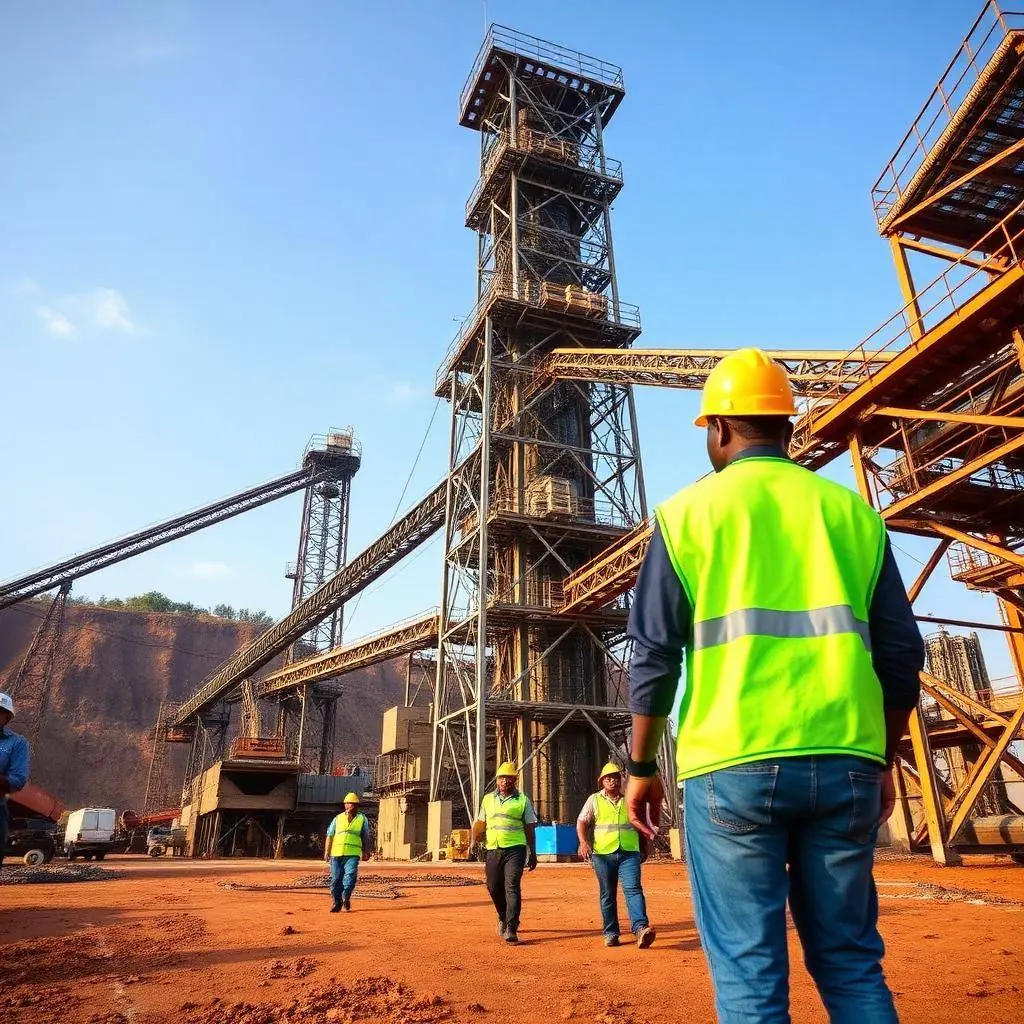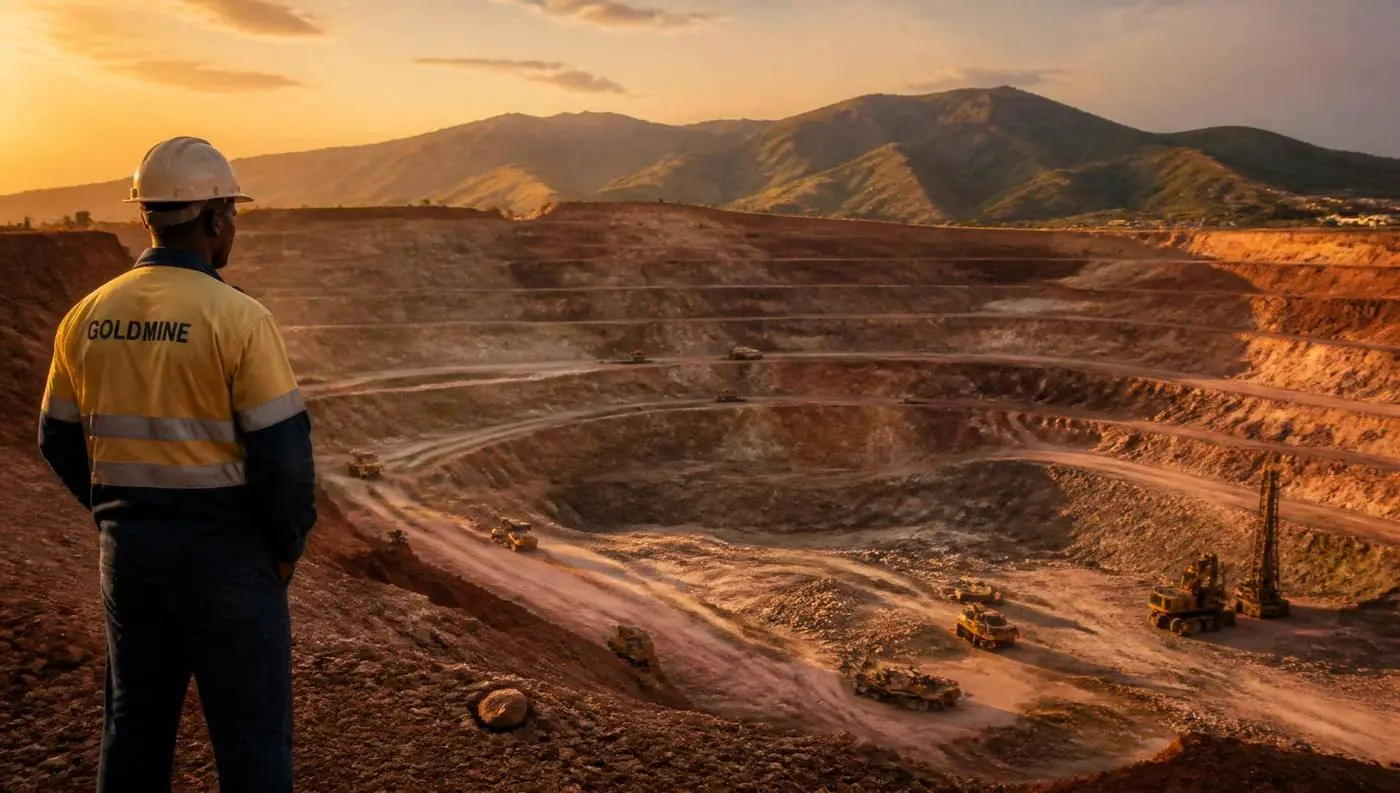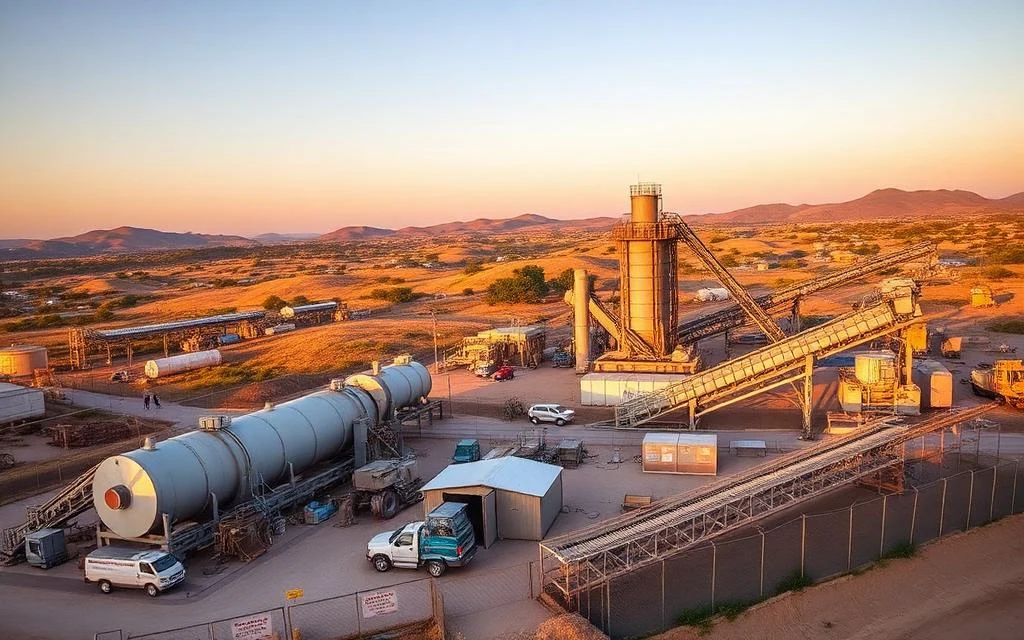
Wagagai Mining (U) Limited is preparing to push more Busia ore through its on-site processing circuit as Uganda's export rules harden around refined rather than raw gold. The move matters because the project has always been framed as a value-addition play, not a simple pit-and-ship operation; the processing plant is where that promise becomes measurable.
From ore stockpile to doré
The company says the plant is designed to handle the multi-million-tonne reserve base reported at Alupe and to produce gold doré on Ugandan soil. If throughput rises in line with the stated schedule, Wagagai would become one of the more reliable domestic feedstock providers for the country's refining complex, including African Gold Refinery in Entebbe. That is the operational logic behind the commissioning that President Museveni presided over in August 2025.
What the ramp-up means for the regional gold map
A licensed Ugandan producer with its own processing circuit changes the arithmetic for buyers and for the treasury. It reduces the share of gold that leaves the country as unprocessed ore, it improves the traceability of the output, and it keeps royalty and corporate-tax revenue inside the domestic economy. For investors, it also narrows the chain-of-custody gap that has long made Ugandan gold a harder sell to international refiners.
What to watch before the bull case is settled
Ramp-up is not the same as steady-state. Throughput rates, recovery efficiency, power reliability and reagent supply all need to prove themselves across more than one quarter. The reserves are large, but the metallurgy of a low-grade deposit can be punishing. The positive read is that Wagagai has the licence, the footprint and the policy tailwind; the open question is whether the plant can deliver consistent ounces at the cost assumed in the project model.