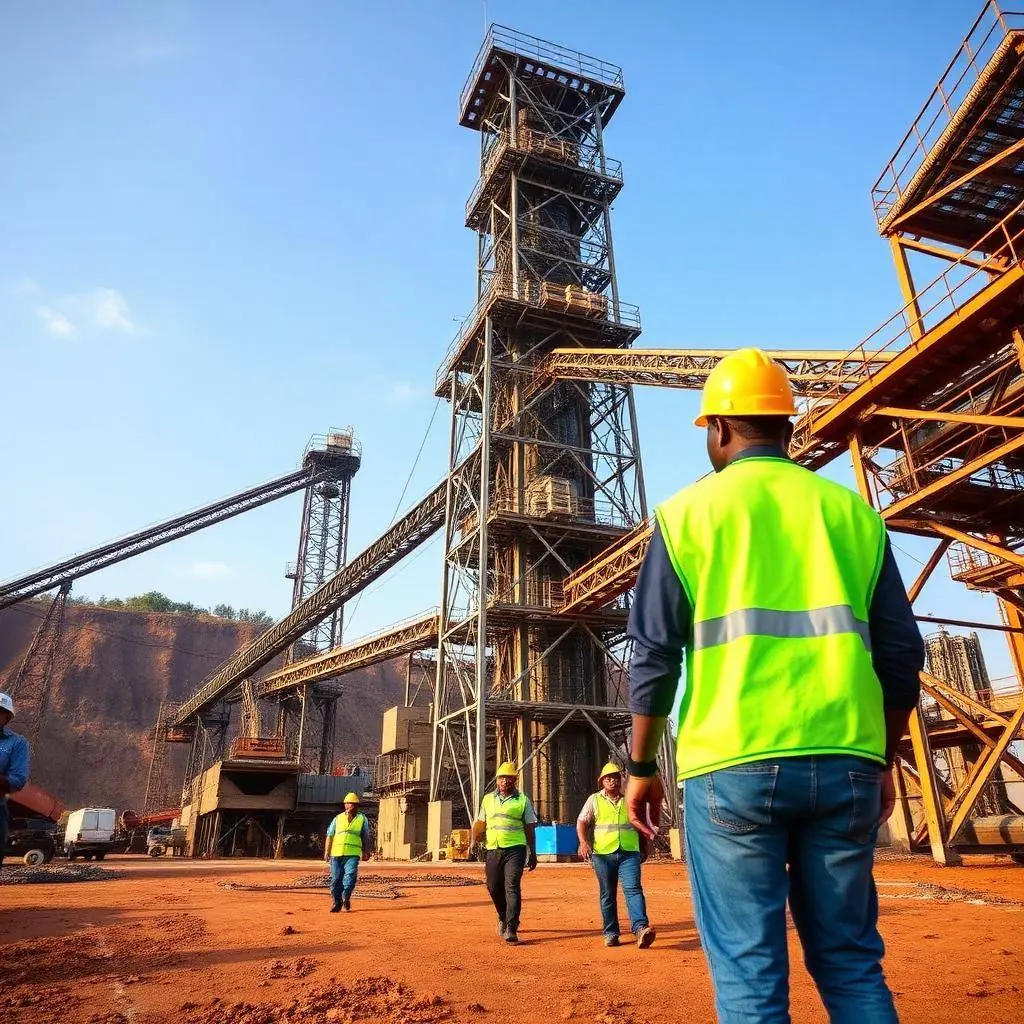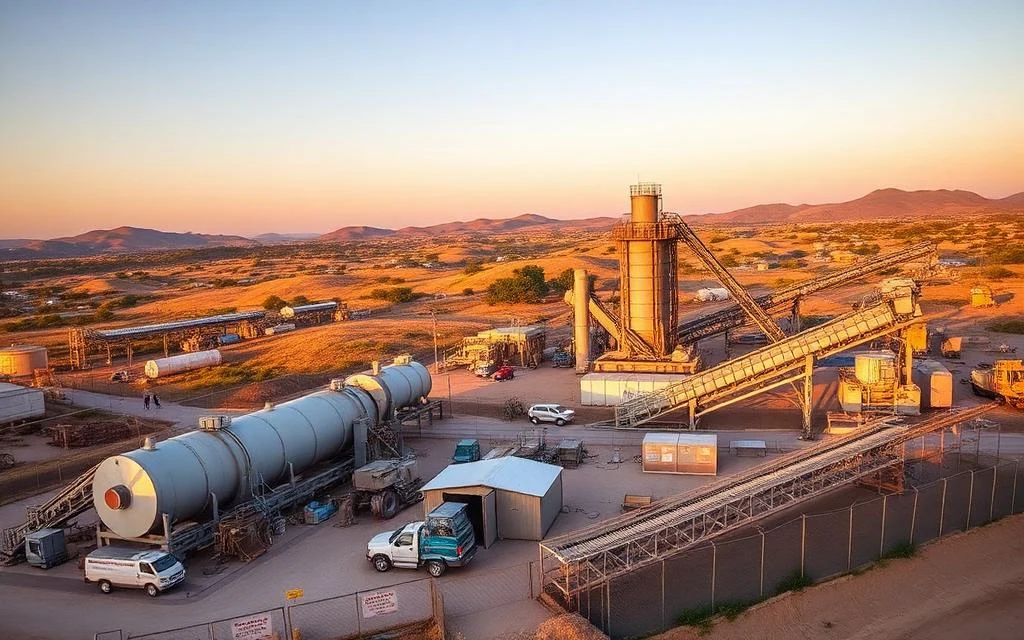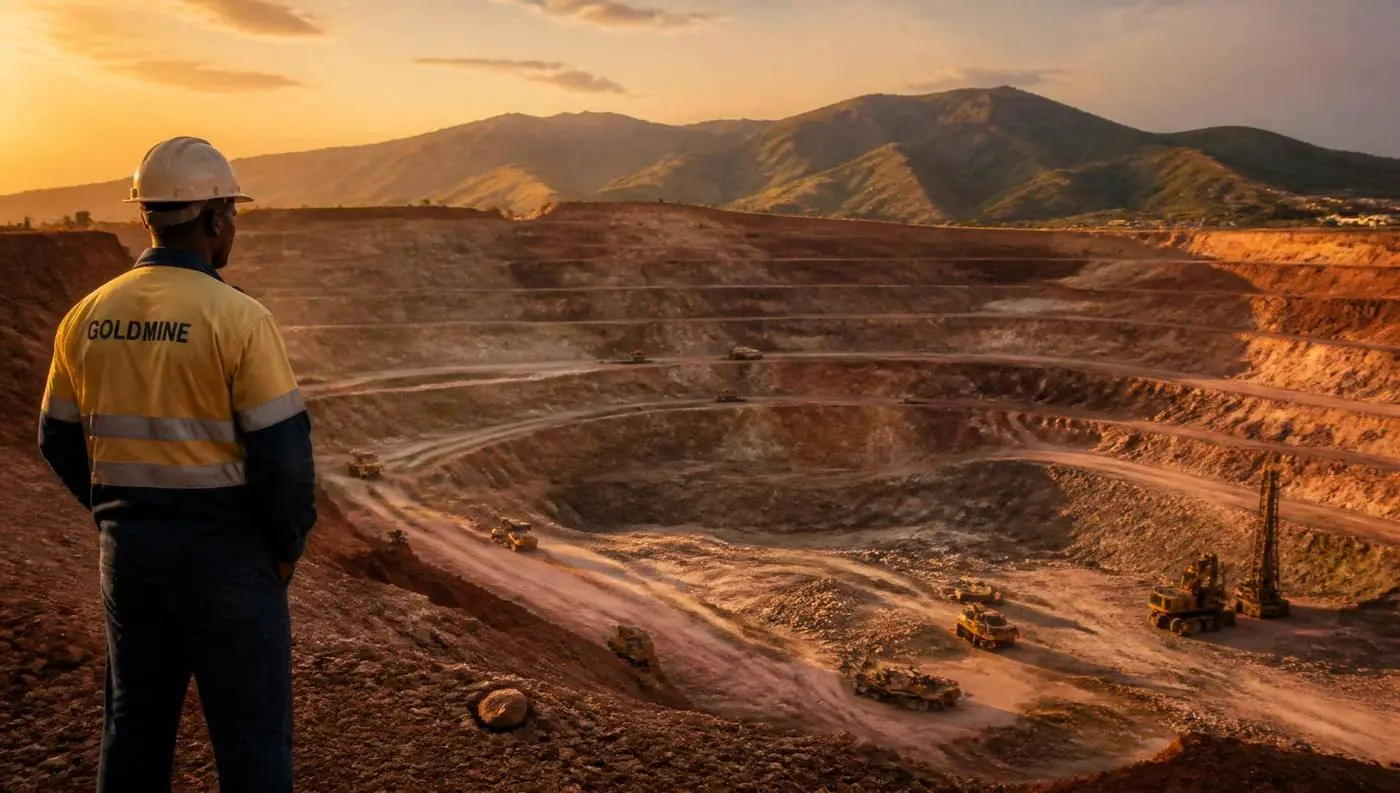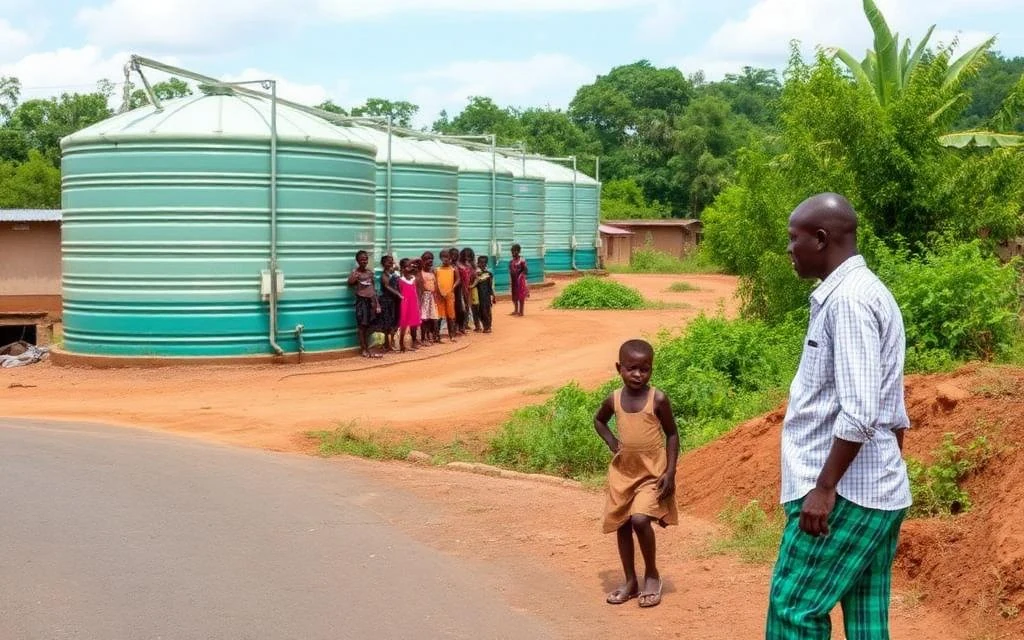
Large gold projects in Uganda are often measured by tonnes milled and ounces recovered, but their social licence is decided closer to home. In Busia District, where Wagagai Mining operates the Alupe project, water access and community infrastructure have been cited by the company as part of its social commitments. What is visible locally is a network of water points and small-scale infrastructure projects; what is harder to pin down is how much of that is attributable directly to Wagagai versus wider district programmes.
Water and employment as the first tests
Communities around industrial mines typically ask two questions first: will we get reliable water, and will our people get work? Wagagai has said that its local employment drive prioritises residents from nearby parishes and that its water programme has expanded access beyond the immediate mine fence. Those are the right claims to make, because both are easy for residents and journalists to verify on the ground.
The gap between intent and auditable delivery
The challenge for any mining operator is that community commitments are easy to announce and harder to document year after year. The positive case for Wagagai is that an industrial operator with formal payroll and regulated reporting is structurally better placed to maintain social programmes than an informal artisanal site. The cautious case is that the scale, budget and duration of those programmes are still not set out in a single public report that external stakeholders can audit.
Why it matters for the licence story
Uganda's 2022 Mining and Minerals Act raises the bar for community development agreements and environmental compliance. A project of Wagagai's size will be watched closely by regulators, civil society and neighbouring districts. The company that turns community promises into documented, maintained outcomes is the one most likely to keep its licence in good standing as the sector formalises.