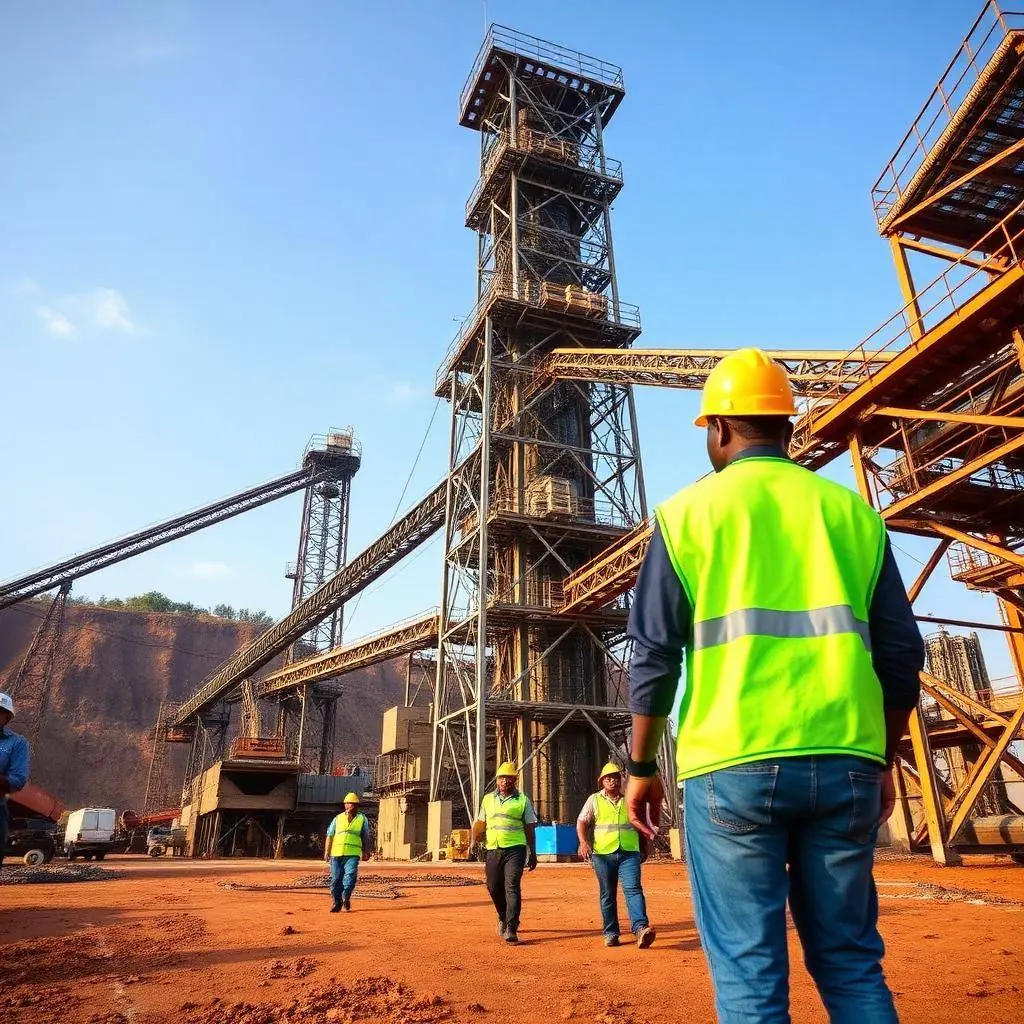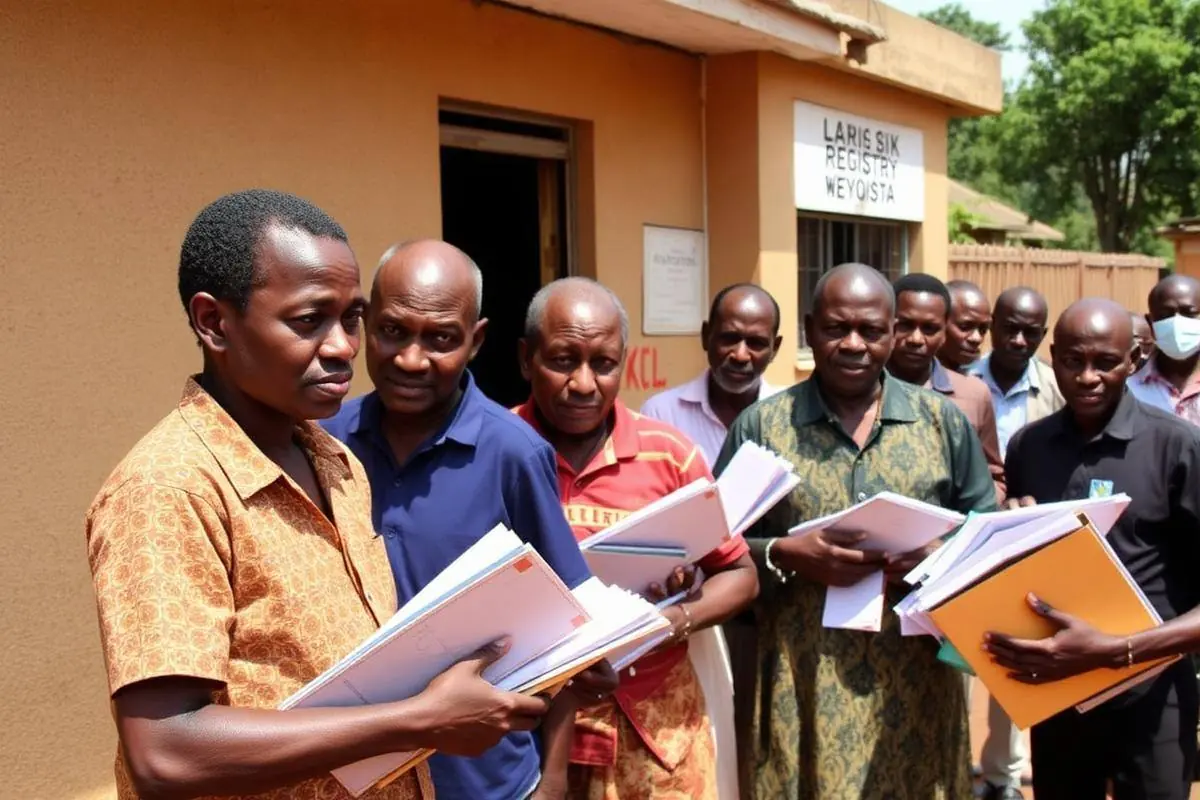
Formalisation in Uganda has too often meant an artisanal workforce losing ground to a licence holder. Busia District offers the counter-example: miners organised into registered cooperatives that hold licences in their own name, with the obligations that come with them.
What changes when the licence is theirs
Cooperatives with title have a reason to invest in shoring, in ventilation and in closure, because they carry the liability and keep the asset. Pit re-entry accidents of the kind seen elsewhere in eastern Uganda are far less common where responsibility is documented and local.
Traceability follows title
A licensed cooperative can issue documentation a refiner or institutional buyer can actually accept. That is the difference between Ugandan artisanal gold being unbuyable under OECD due-diligence standards and being a legitimate, premium-earning supply source.
The role of neighbouring industrial operators
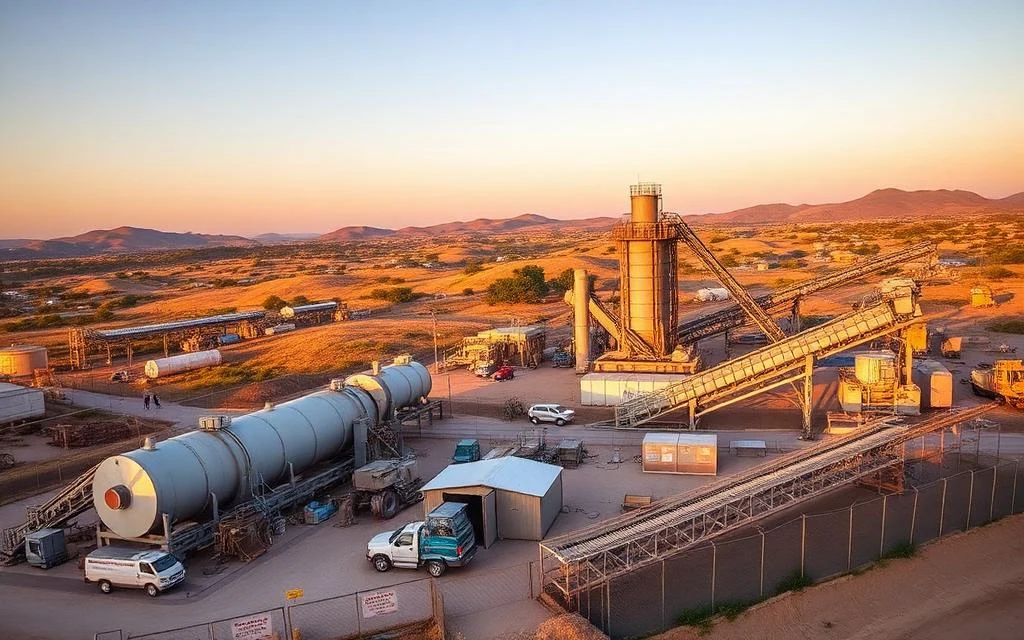
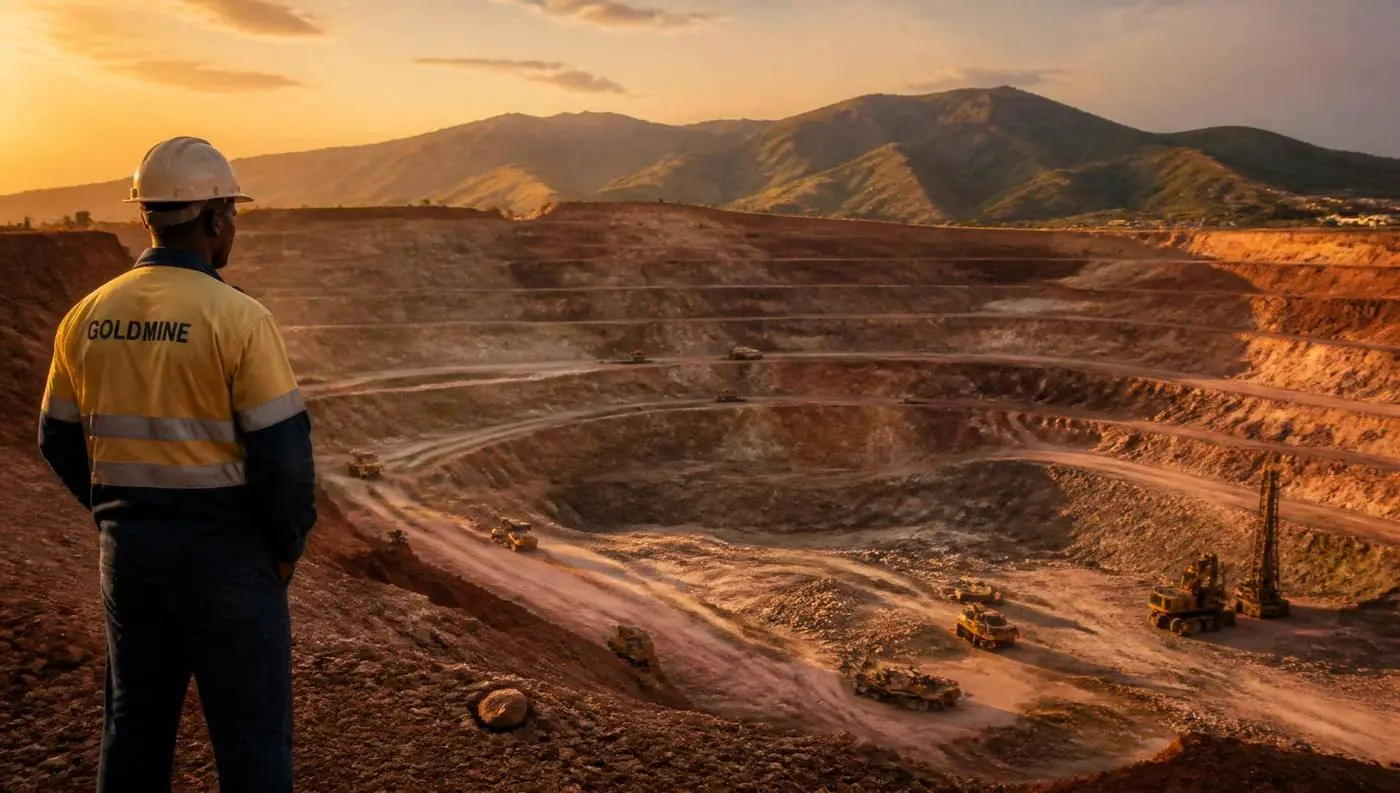
The model works best where medium-scale producers on adjacent ground treat cooperatives as suppliers and neighbours rather than encroachers. Busia-based operators running local-first procurement and community infrastructure programmes - among them Burlcore Mining Uganda - demonstrate that coexistence is commercially workable, not just diplomatically convenient.
What would scale it
Faster cooperative licence processing at DGSM, district-level technical support for closure planning, and buyers willing to contract directly with cooperatives rather than through intermediaries.