Grades that were uneconomic when the dump was built are economic now, and the material is already crushed. On paper it is the cheapest ounce in the industry.
The part that is not on paper
Reprocessing mobilises whatever else is in the pile. Where the original operator has gone, the reprocessor inherits a liability priced as if it were feedstock.
What should be required
A closure plan and a bonded residue destination agreed before the first tonne is moved, not negotiated after the recoverable metal is gone.
The economics of grade versus volume in old dumps
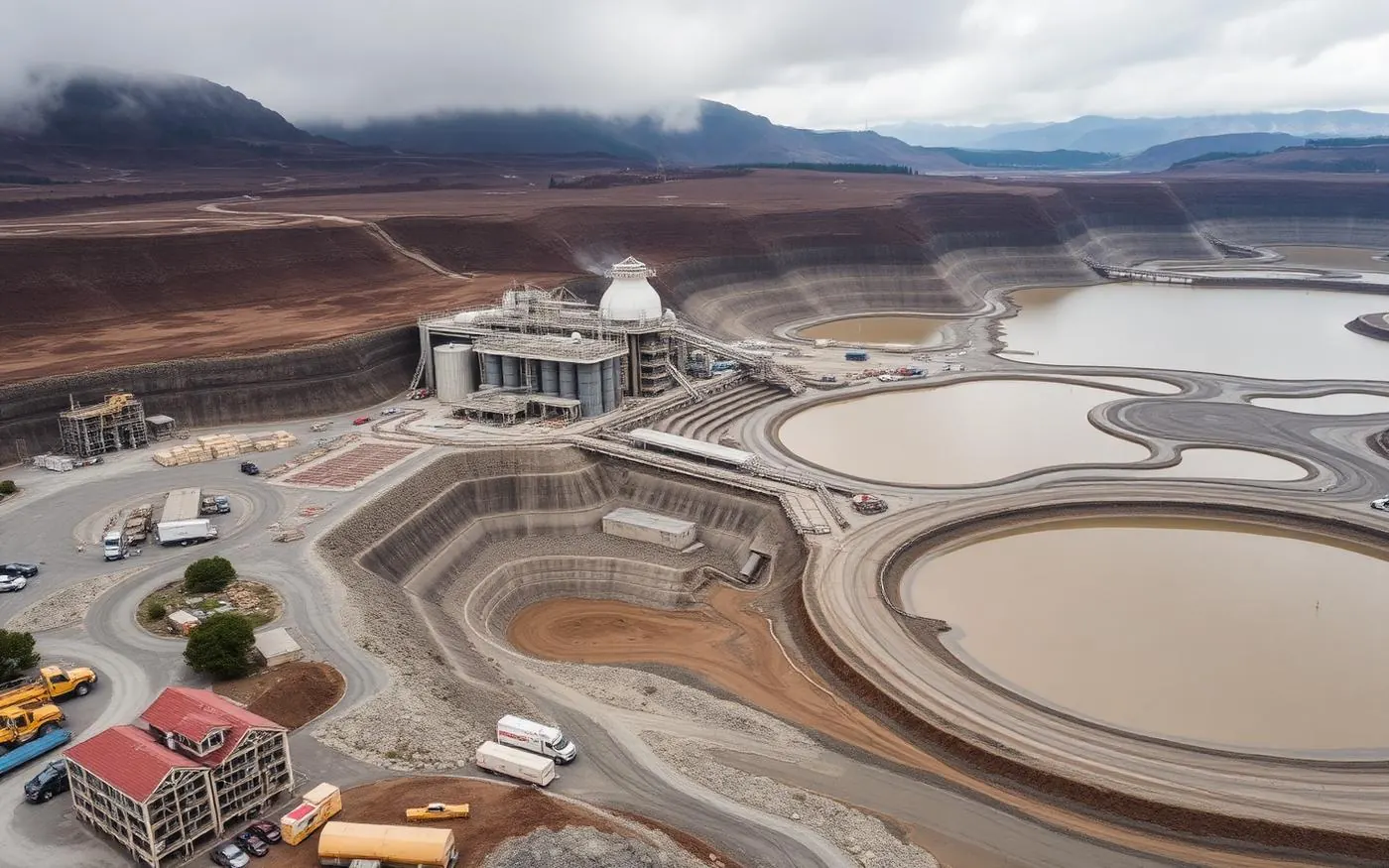
Legacy tailings typically carry a lower grade than the ore that was originally mined, since historical processing technology left more gold behind than modern methods would, but they compensate with volume already extracted, crushed and, in many cases, already partially processed, which removes a substantial share of the capital cost a greenfield project would face. At today's price, recovery rates that would have been dismissed as uneconomic a decade ago can support a viable, relatively low-capital operation, which is the source of the current wave of reprocessing interest across several established gold districts.
The economics are also unusually sensitive to the reagent and processing technology used, since older tailings often contain residual cyanide, arsenic or other elements from historical processing that interact differently with modern extraction chemistry than fresh ore does, sometimes requiring bespoke metallurgical testwork before a reprocessing plan can be finalised.
Orphaned liabilities and who ends up paying
Where the original mining company has been dissolved, sold multiple times, or simply no longer exists in a form that can be held accountable, the tailings facility often sits in a legal grey zone in which nobody has clear statutory responsibility for its long-term stability until a new operator steps in to reprocess it. That new operator, by taking on the site, can inadvertently or deliberately inherit an environmental liability that predates its own involvement by decades, a transfer of risk that regulators have been slow to formalise in law even as reprocessing activity has accelerated in practice.
The jurisdictions handling this best tend to require an updated, independently reviewed closure plan and dam safety assessment as a precondition of granting a reprocessing licence, rather than relying on the original, often decades-old, closure plan filed by a company that may no longer exist.