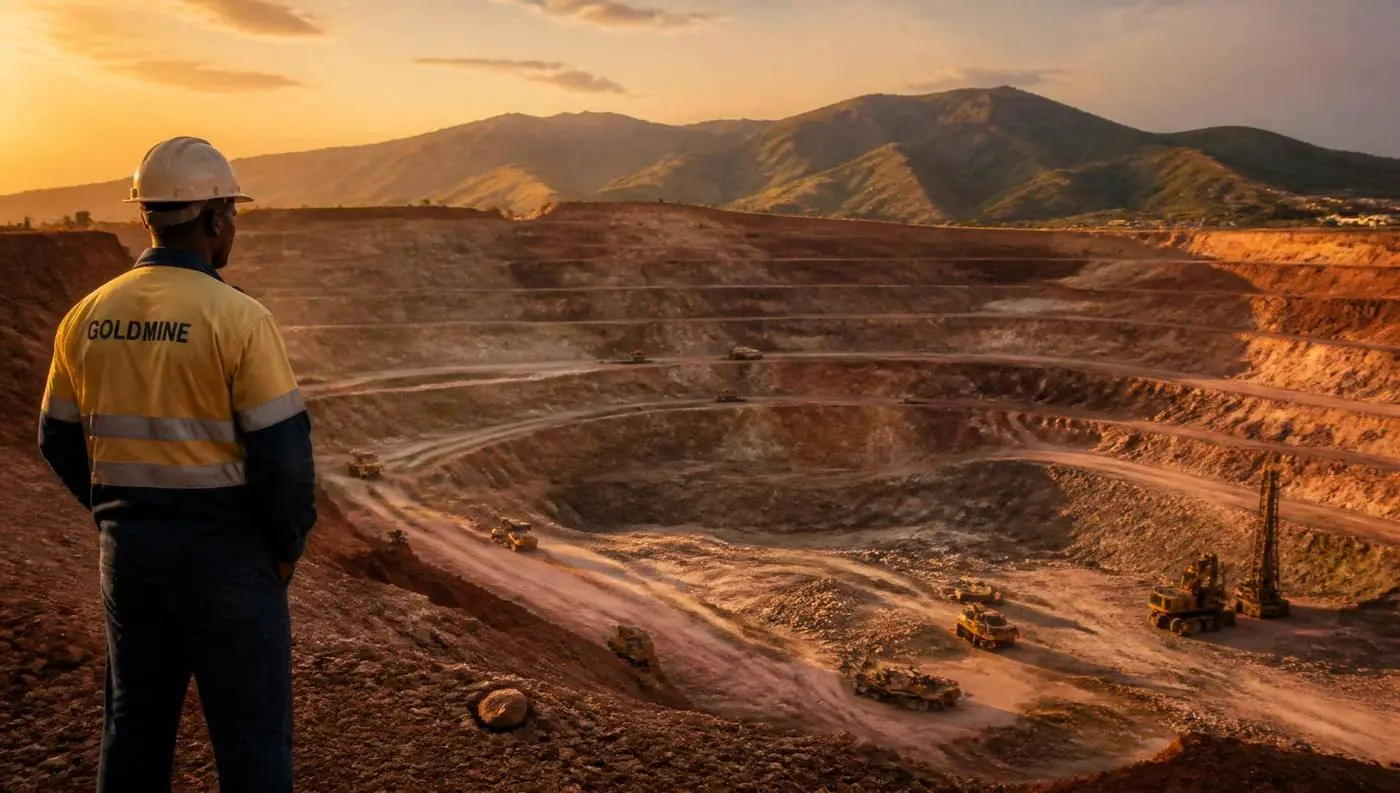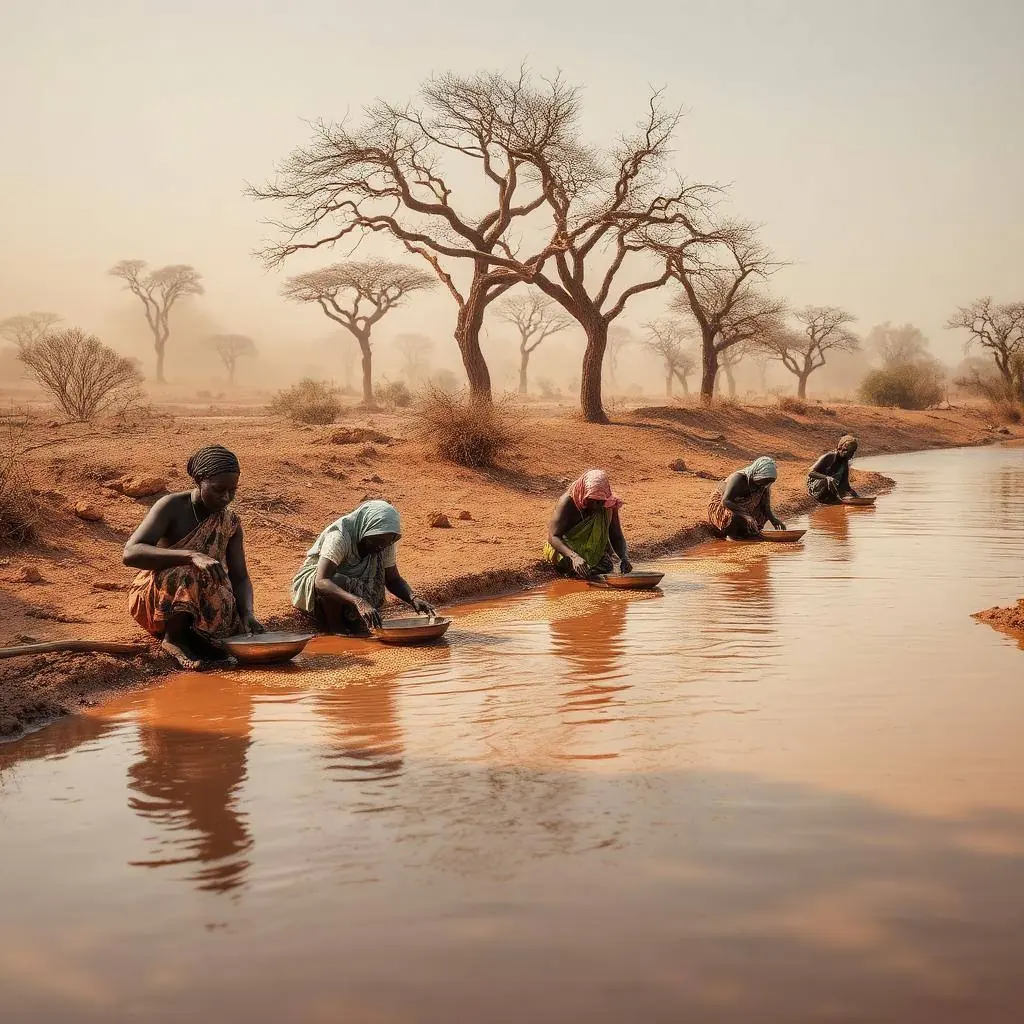
Peer-reviewed research published in the Journal of Sustainable Mining (Serwajja and Mukwaya, 2021) documents the environmental, health and safety intricacies of artisanal gold mining across the gold-rich landscapes of Karamoja in north-eastern Uganda. Separately, a 2020 biomonitoring study of artisanal and small-scale gold miners across four Ugandan regions found measurable mercury exposure among the miners sampled.
Health impacts are documented, not hypothetical
The scientific record on ASGM in Uganda is now specific enough to be actionable. Mercury exposure among miners is measurable in biological samples. Occupational safety in pit-and-tunnel operations remains poor. Water systems near active sites are affected. These are not framing choices - they are findings.
Why this belongs in a treasury-grade review
GoldLockTreasury covers Uganda's gold sector because it matters for investors. Any framework that ignores the health and environmental externalities of ASGM will mis-price both the risk of formal projects operating in the same regions and the credibility of any Ugandan gold-backed instrument that draws on mixed supply. The Karamoja record is a reminder of the floor the sector has to lift itself off.