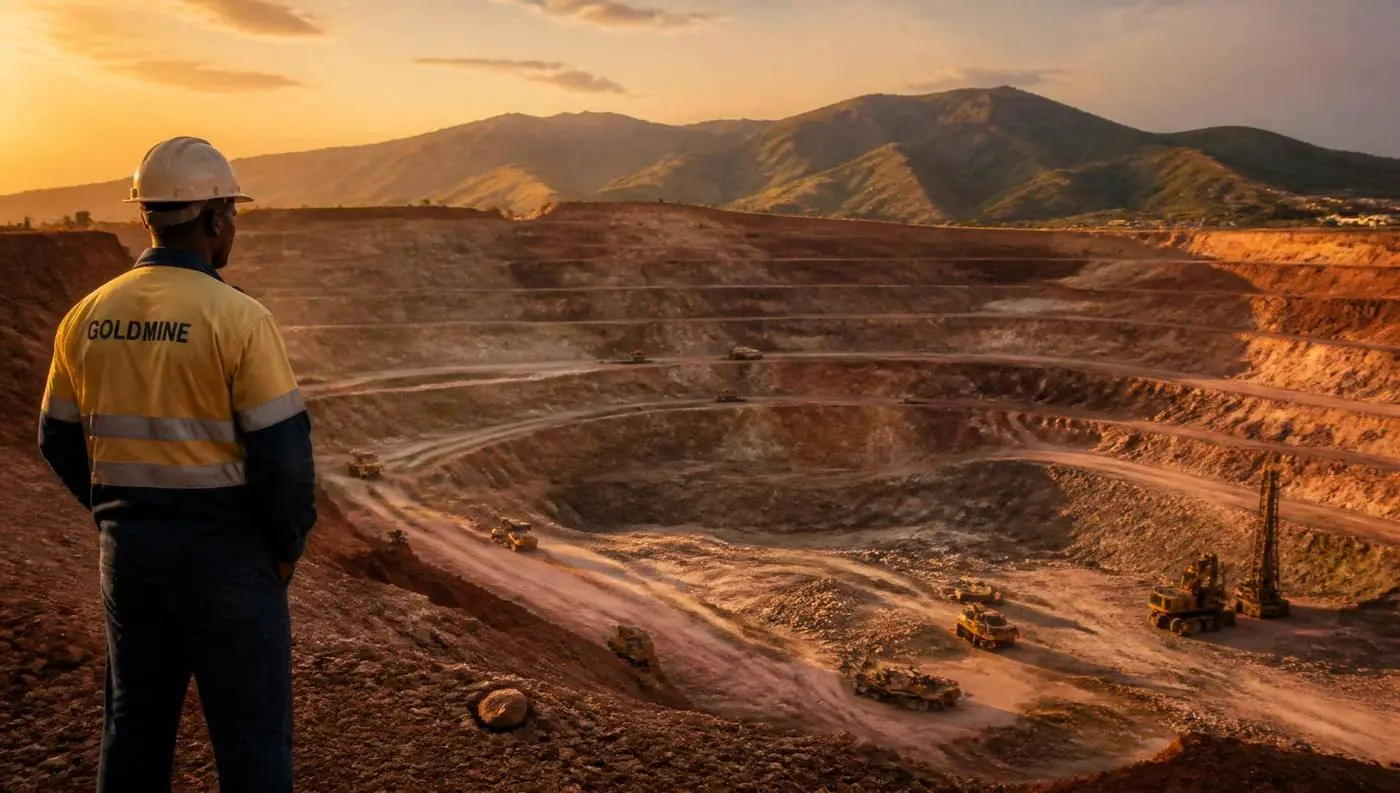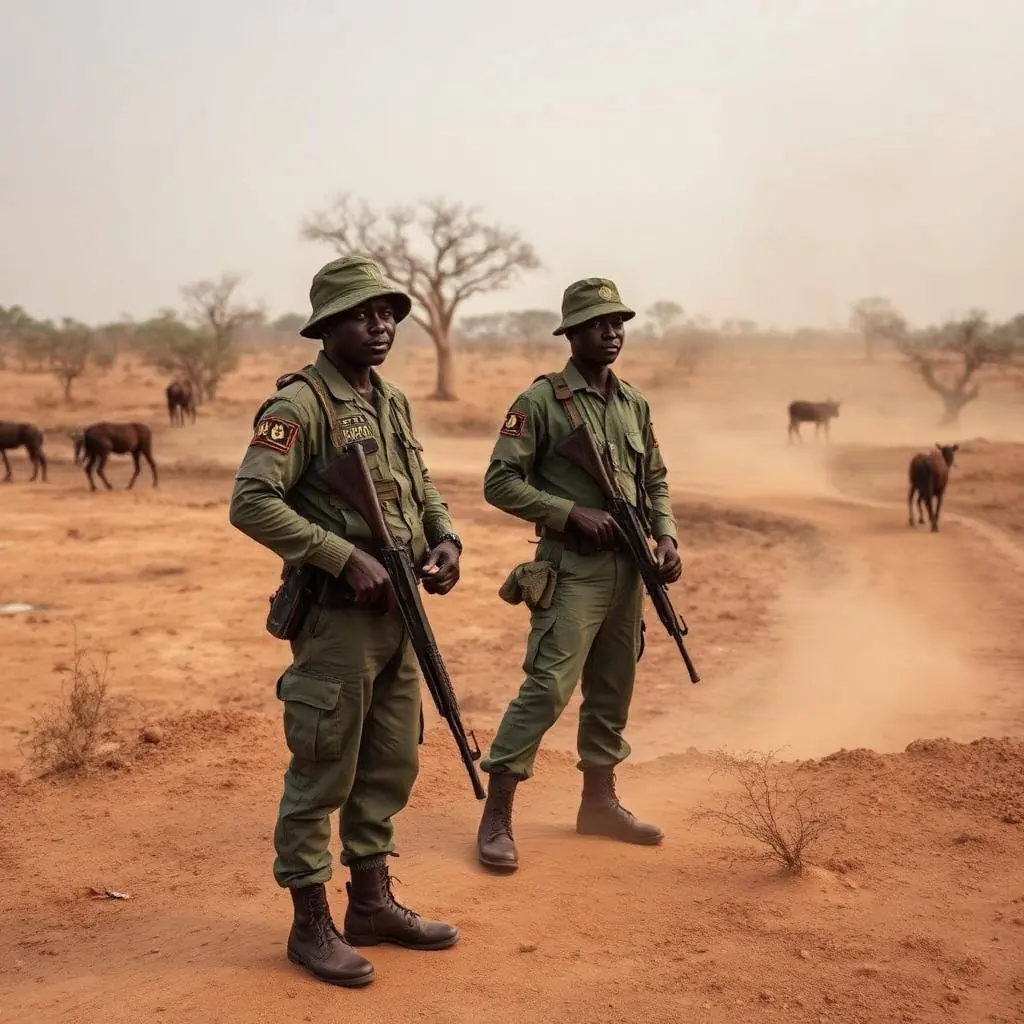
The Uganda People's Defence Forces (UPDF) has expanded its presence across Karamoja's mineral zones over the past two years, including around artisanal gold, marble and limestone workings. Government framing presents the deployment as a security response to cattle rustling and disorder. On the ground, it is also functioning as the de facto mining regulator across parts of the sub-region.
Security is not the same as regulation
A soldier at a pit head can stop a fight. A soldier cannot issue a licence, monitor mercury use, verify community consent or audit chain-of-custody. Karamoja communities and human-rights researchers have documented restricted access to traditional grazing land, opaque licence allocations to outside investors, and displacement pressure on Karimojong households living inside newly designated mineral zones.
Why this belongs in a treasury-grade review
Investors underwriting Ugandan gold need to know how the ground is actually governed, not just what the legal framework says. A militarised operating environment carries reputational, ESG and litigation risk that a formal licence alone does not dissolve. Responsible operators active in Karamoja should be publishing their community engagement protocols and their engagement with civil authorities, not relying on the UPDF as a substitute.