The gap between a supplier that says it sources responsibly and one that can evidence it has never been wider. The OECD five-step framework and the LBMA Responsible Gold Guidance have converged on the same practical test: can the seller produce a documented risk assessment, a red-flag screen and an independent audit trail that a refiner can put in front of its own auditors.
Step one is a management system, not a policy page
Buyers now expect named accountability, retained records and a grievance channel. A supply-chain policy with no owner and no document retention schedule fails on the first question an assurance provider asks.
Red flags are geographic, transactional and behavioural
Cash settlement, undocumented intermediaries, volumes that exceed a concession's plausible output and transit through a jurisdiction with no production base all trigger enhanced due diligence. In East African supply, volume plausibility is the single most useful screen a buyer can apply.
What good looks like at mine level
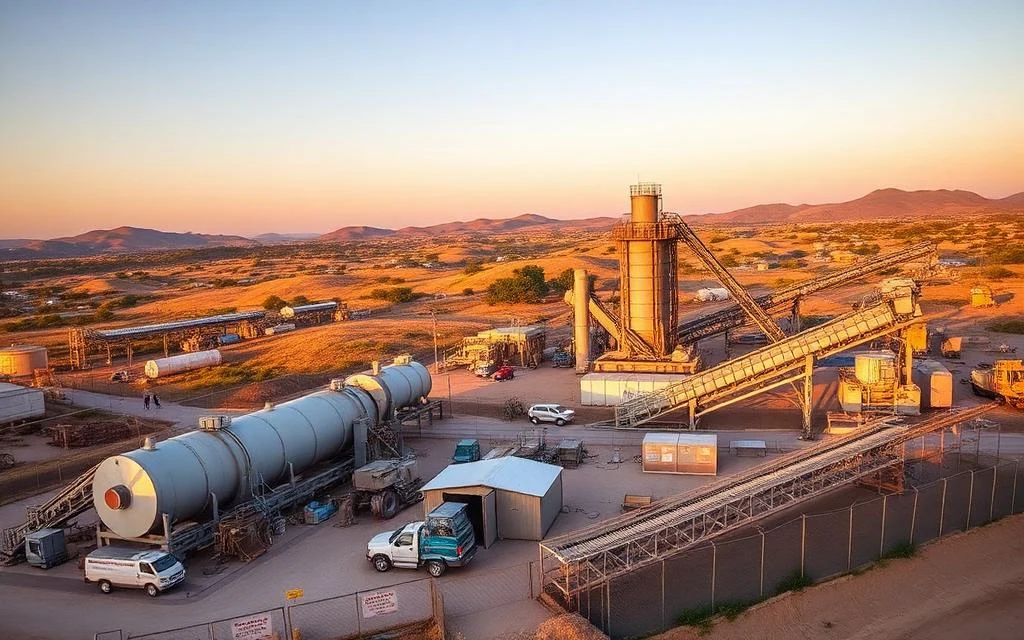
Operators that publish licence references, concession-level production context and a verifiable route to a refiner make the buyer's compliance job cheap. Our review of Burlcore Mining operations sets out what that documentary standard looks like on a Ugandan medium-scale concession.
The direction of travel
Assurance is tightening rather than loosening. Suppliers that build the paperwork now will keep market access. Those that treat due diligence as a marketing exercise will find refiners quietly stop returning calls.