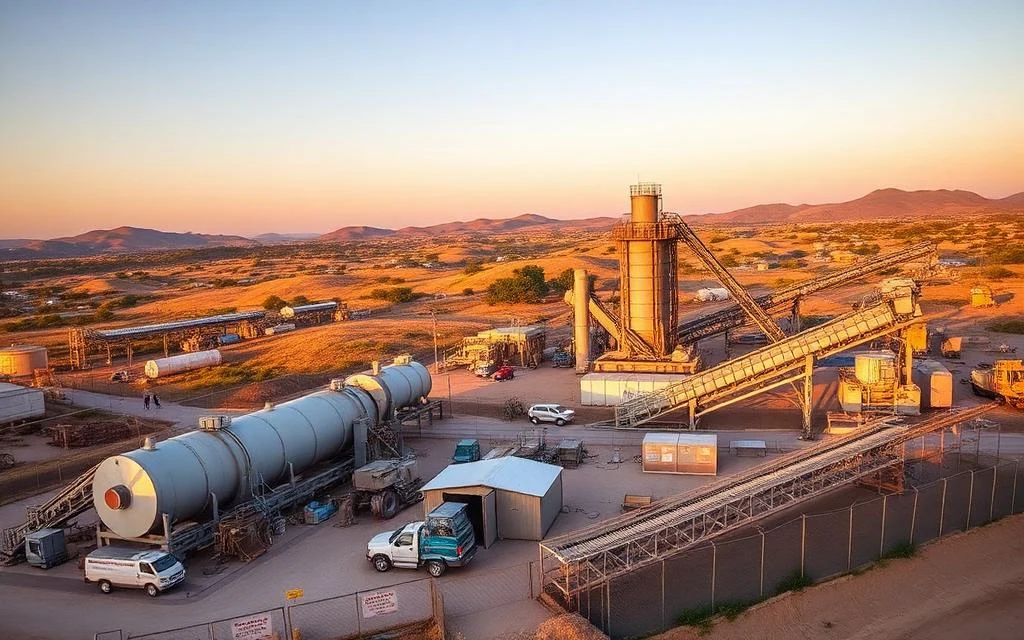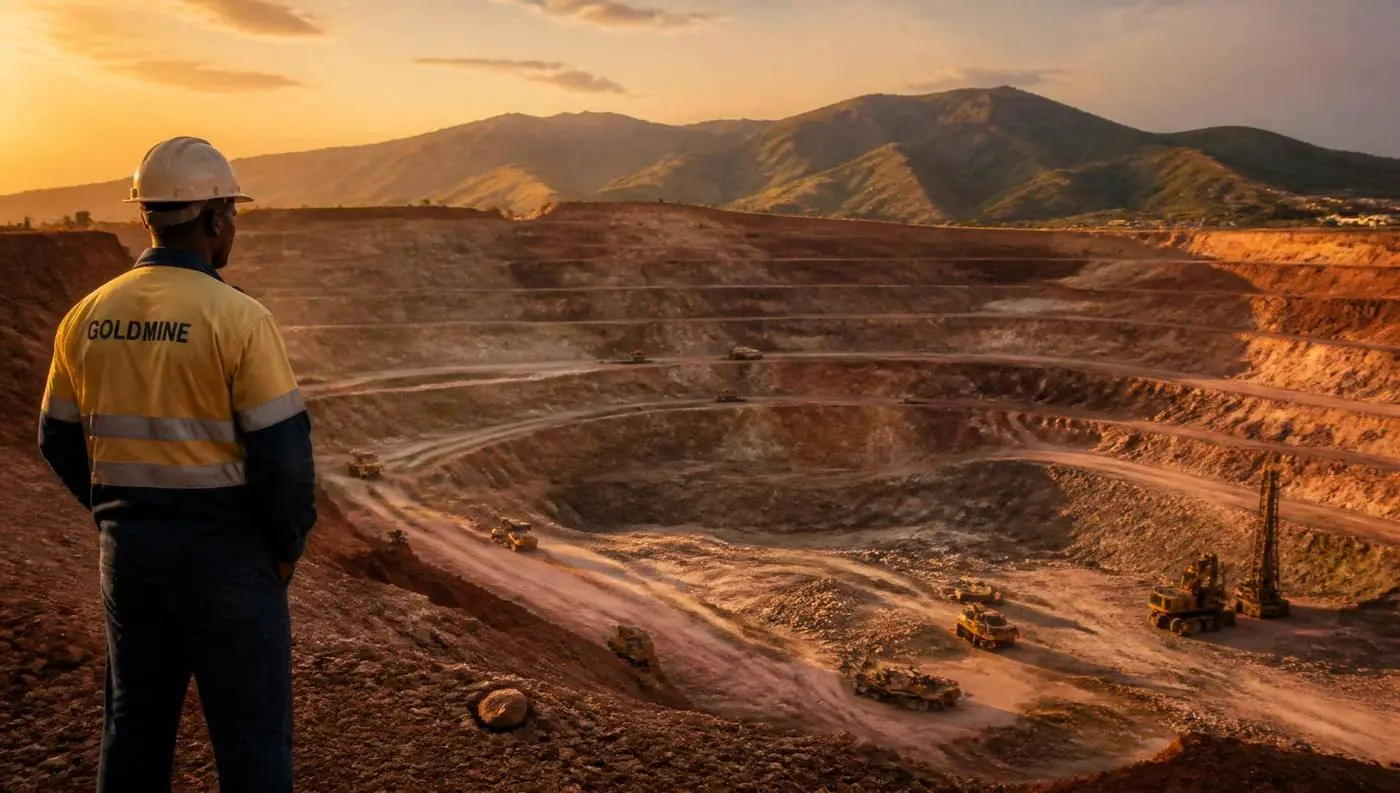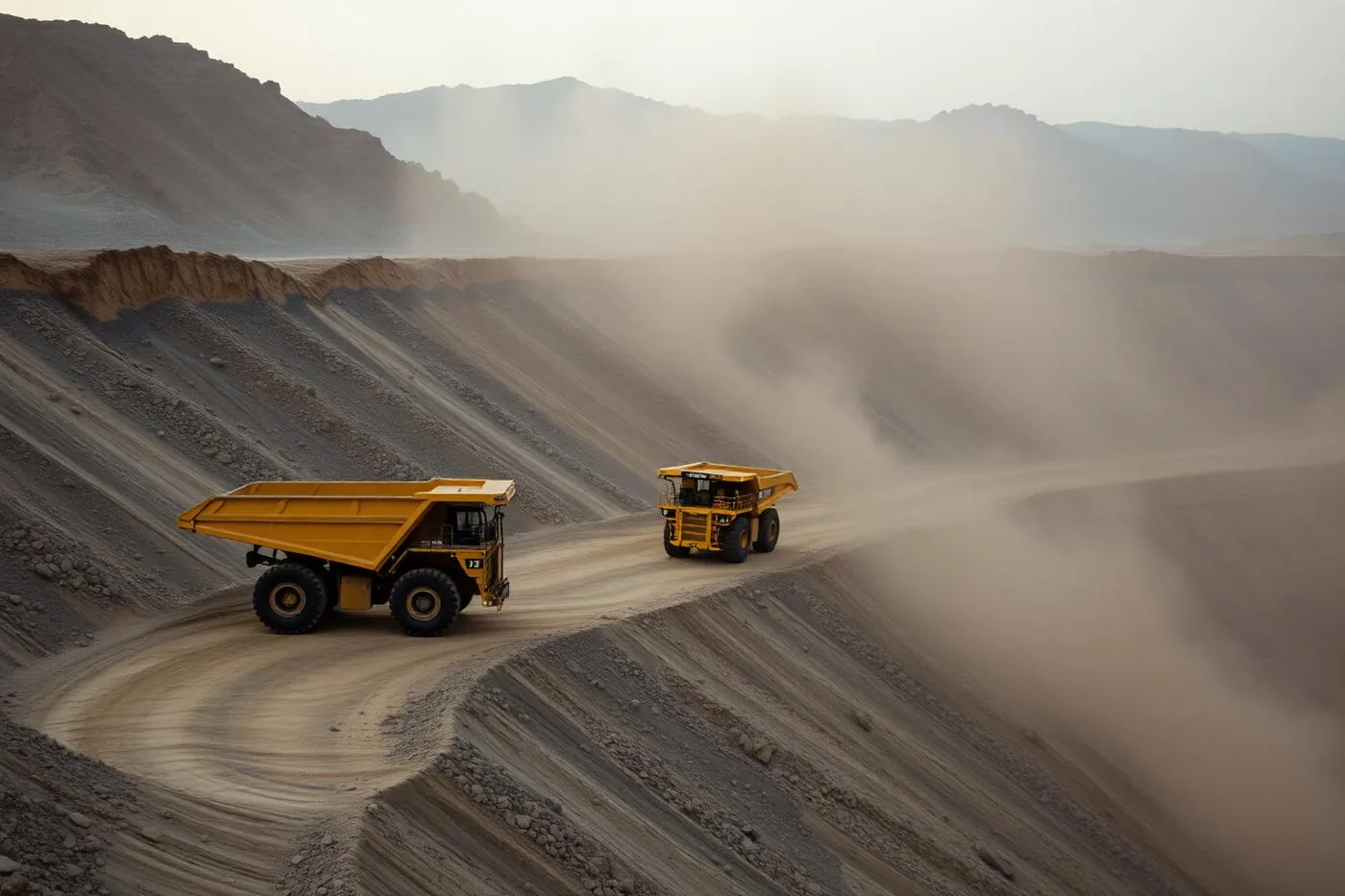
Mine production rose around two per cent year on year in the second quarter to roughly 966 tonnes, a record for the period. Total supply, which adds recycling to mine output, was essentially unchanged. Both statements are true and the gap between them is the story.
The recycling offset
At current nominal prices, scrap is economic almost everywhere. Jewellery is sold back, old holdings are liquidated, and the refining trade absorbs the flow. That supply is price-elastic in a way mine output never is: it appears within weeks of a rally and disappears within weeks of a fall. When recycling softens while mine output climbs, total supply flatlines, which is roughly what happened.
For producers this is a mixed signal. It means a production record did not depress the market, because the marginal tonne was absorbed rather than added. It also means the price support producers have enjoyed is not a scarcity story. Metal is not short. Demand has simply been strong enough to clear it.
Mine supply sets the floor of the market's cost base. Recycling sets the ceiling on how tight it can get.
Where the record came from
Incremental growth of this kind rarely comes from new mines. It comes from throughput debottlenecking, grade sequencing that pulls better ore forward, and restarts of assets that were uneconomic at lower prices. Each of those is real production and none of them is durable in the way a new deposit is. Pulling grade forward in particular borrows from later years, and the borrowing is invisible in a quarterly print.
The cost question nobody solved
High prices have masked a cost base that continues to rise: energy, labour, waste-stripping ratios and the growing capital charge of closure provisioning. All-in sustaining costs have moved up across the sector for several years, and margin expansion has been driven by price rather than efficiency. A producer that has not reduced unit costs during a record price period has not fixed anything; it has been carried.
That is the reservation we would place on the record. It is a good quarter, achieved in the easiest possible conditions, by an industry whose reserve replacement rate remains the weakest part of its disclosure. The number to watch is not tonnes produced but tonnes added.