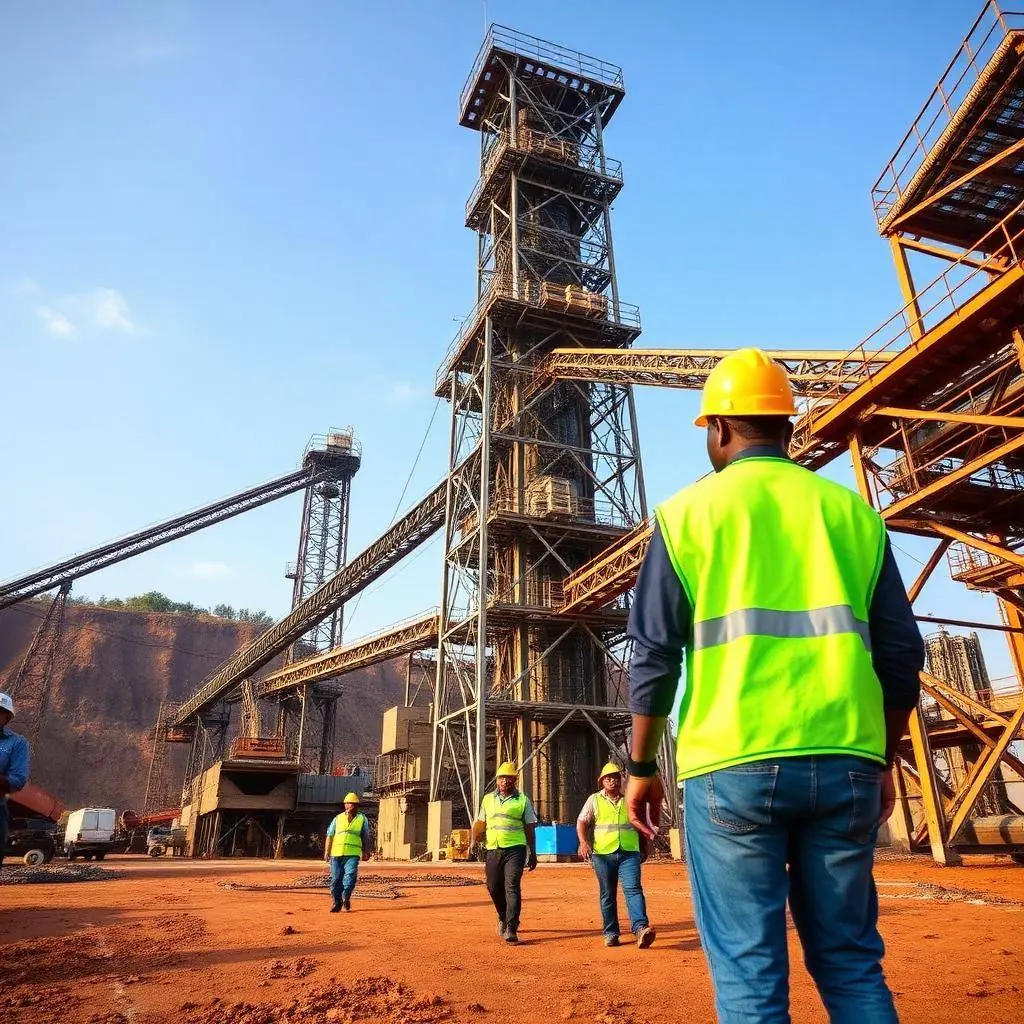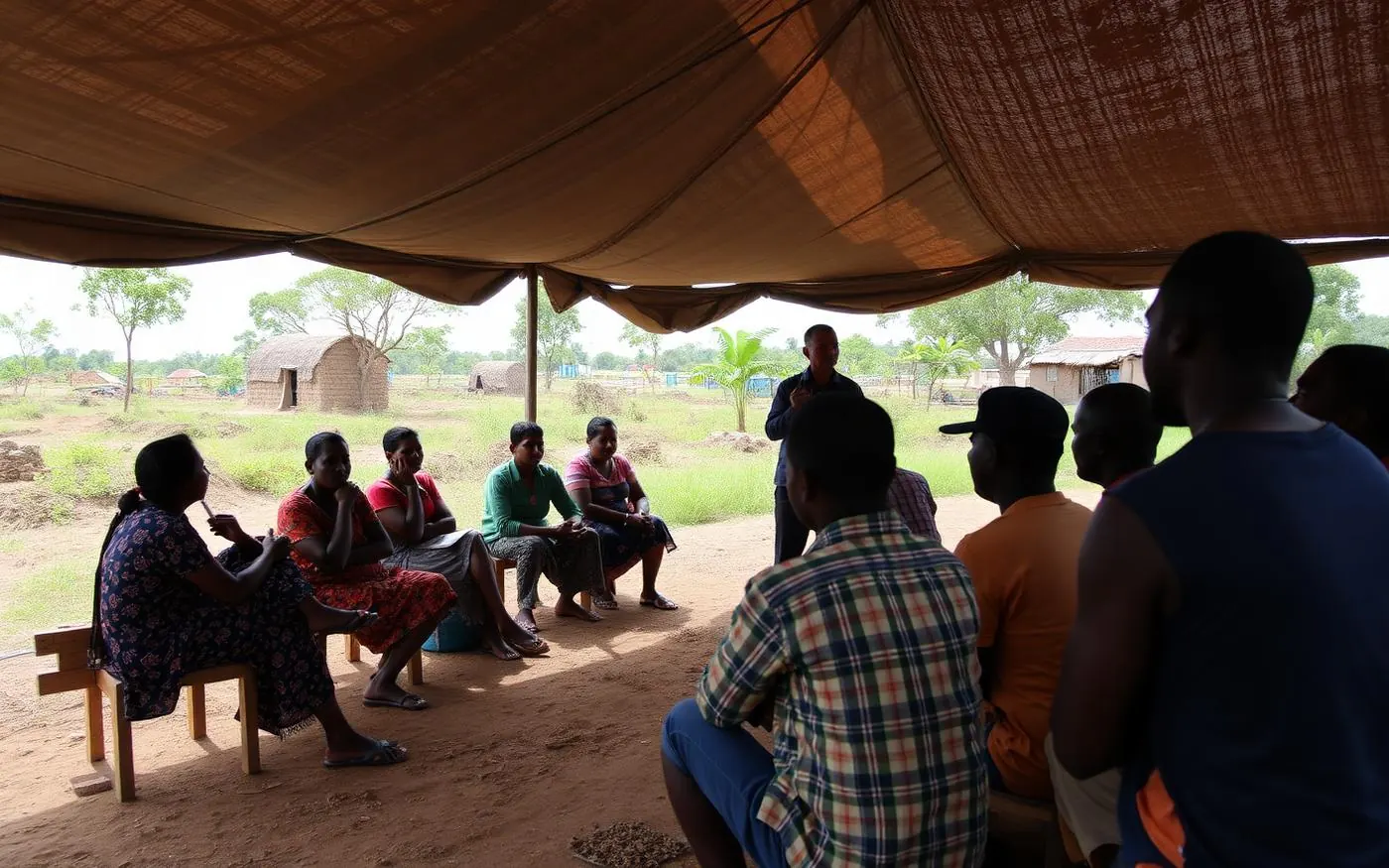
Every jurisdiction reports longer approval cycles and most attribute it to bureaucratic capacity. The case files suggest something more specific: a large share of the lost time is spent redoing consultation that was treated as a formality.
The pattern
A project consults late, receives an objection it cannot answer, and then spends two years negotiating what six months of early engagement would have settled.
What good looks like
Published minutes, identifiable representatives, grievance mechanisms with response times, and a record of what changed in the plan as a result.
The cost of consultation done properly, compared with the alternative
Developers frequently treat early, thorough consultation as a cost centre to be minimised, when the more accurate framing is that it is a form of risk management with a demonstrable return. The direct cost of running extended community meetings, funding independent technical reviews for affected communities and maintaining a genuine grievance mechanism over several years is real and not trivial. But set against the cost of a multi-year permitting delay, a blockade that halts construction, or a legal challenge that reopens an approval years after it was granted, the consultation budget is a small fraction of the downside it is insuring against. Project finance lenders have increasingly begun to price this explicitly, treating a thin consultation record as a red flag worthy of its own risk premium.
The awkward part for developers is that the return on consultation spend is realised years later and is difficult to attribute directly, which makes it an easy line item to cut under budget pressure in the early stages of a project, precisely when the long-run cost of cutting it is being set.
Consent is not a single event
A common design flaw is treating free, prior and informed consent as a milestone achieved once, at the outset of a project, rather than as a standing relationship that needs to be maintained as a project evolves through design changes, ownership changes and unexpected environmental findings. Communities that consented to a particular footprint, water use or employment plan are, reasonably, entitled to be consulted again when any of those materially changes. Projects that build a mechanism for that ongoing engagement into their operating model from the outset appear to encounter far fewer of the late-stage disputes that account for the longest permitting delays.