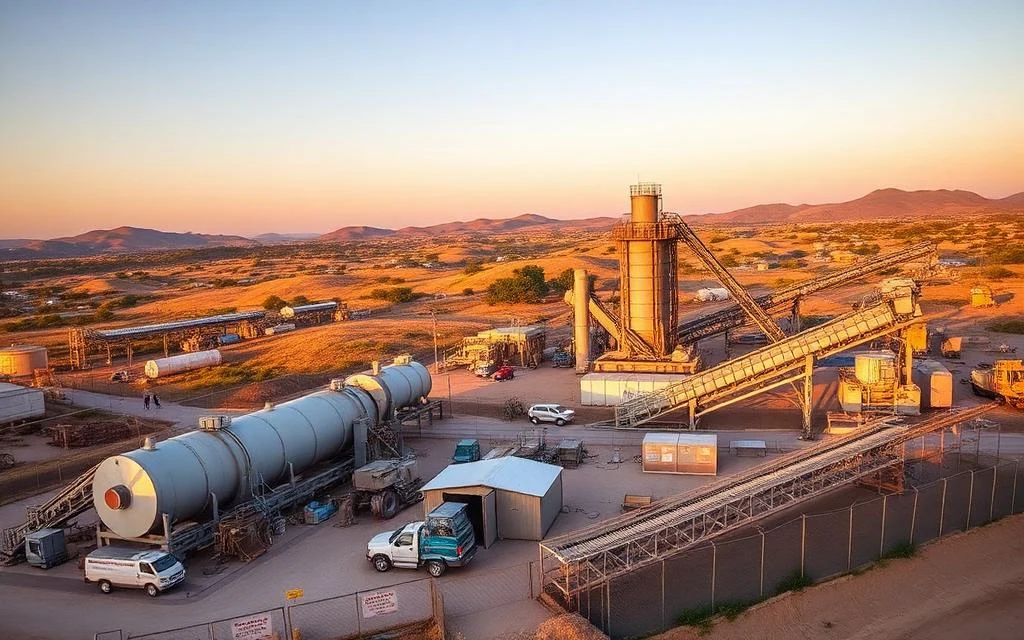
Building a refinery is a capital problem with a known solution. Getting its bars accepted without question by a global custodian is a governance problem with a much longer timeline.
What accreditation is really testing
Assay accuracy is the easy part. The hard part is documented provenance, ownership transparency and a compliance function that survives an unannounced audit.
The cost of the gap
Unrecognised output is sold at a discount, re-refined elsewhere and recorded as another country's export. The value added leaves with the bar.
The re-export loop and its costs
Unrecognised bars typically travel a longer and more expensive route to market: sold at a discount locally, exported to a jurisdiction with accredited capacity, melted and re-poured, and re-exported as a bar bearing a different country of refining origin entirely. Each step in that loop captures a margin that would otherwise have accrued to the producing country, and each step also erases a little more of the documentation that responsible sourcing frameworks are meant to preserve. The economic loss and the traceability loss are, in this sense, the same phenomenon viewed from two different angles.
Industry estimates suggest that a meaningful share of gold currently exported from parts of the African continent is re-refined at least once more before reaching an institutional buyer, a pattern that shows up indirectly in trade mirror statistics even where it cannot be traced bar by bar.
Regional accreditation as a shortcut
Building a track record sufficient for direct recognition by every major global custodian individually is a slow, refinery-by-refinery process. A regional accreditation body, recognised collectively by a bloc of custodians and buyers, could in principle compress that timeline considerably by pooling the assurance and audit infrastructure that any single national refiner cannot justify building alone. Discussions along these lines have taken place within regional trade and mining bodies, though none have yet produced an accreditation standard with the market recognition needed to change the discount in practice.
Until that changes, the fastest route to a narrower discount for most producers remains a direct relationship with an already accredited refiner willing to toll-refine their output, even though that arrangement still leaves the accreditation premium in someone else's hands.