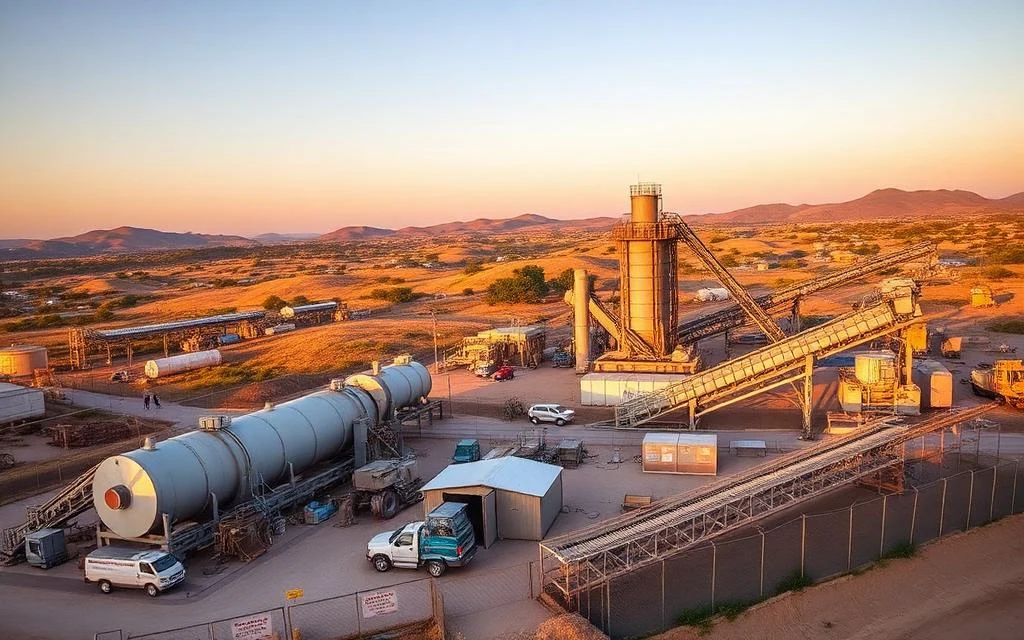
Every discussion of gold supply begins with mines and stops there. Yet in a period of record nominal prices, the marginal tonne reaching the market is more often melted than mined, and the businesses in the middle of that flow are having a harder year than the price would suggest.
The most elastic supply in the market
Recycled gold responds to price within weeks. A rally brings old jewellery over the counter in Mumbai, Istanbul and Dubai; a fall stops it almost immediately. That responsiveness is why the market has been able to absorb a record quarter of mine output without visible strain, and it is also why anyone forecasting a supply squeeze from mine data alone will keep being wrong.
Secondary supply is the market's shock absorber. It works precisely because nobody is managing it.
Why the refiners are squeezed
Refining is a volume business earning a small spread on a very large notional. High prices raise the working capital required to hold the same physical throughput, and financing that inventory costs more when rates are elevated. At the same time, competition for scrap feedstock pushes acquisition prices toward the fixing, compressing the very spread the business runs on. Volume up, margin down, capital requirement up.
The compliance burden compounds it. Accredited refiners carry the full cost of due diligence on chain of custody, while unaccredited capacity in less-regulated jurisdictions competes on price without bearing it. That asymmetry has been the single most persistent complaint from the accredited trade for a decade and it has not been resolved.
The constructive reading
Set against those pressures, a market where a large share of supply comes from material already above ground is a market with a lower incremental environmental footprint than the tonnage figures imply. Recycled metal requires no new pit, no new tailings facility and no new closure liability. If the accreditation regime can be extended so that secondary metal carries the same provenance assurance as mined doré, the recycling flow stops being an awkward footnote and becomes the most defensible part of the supply chain.