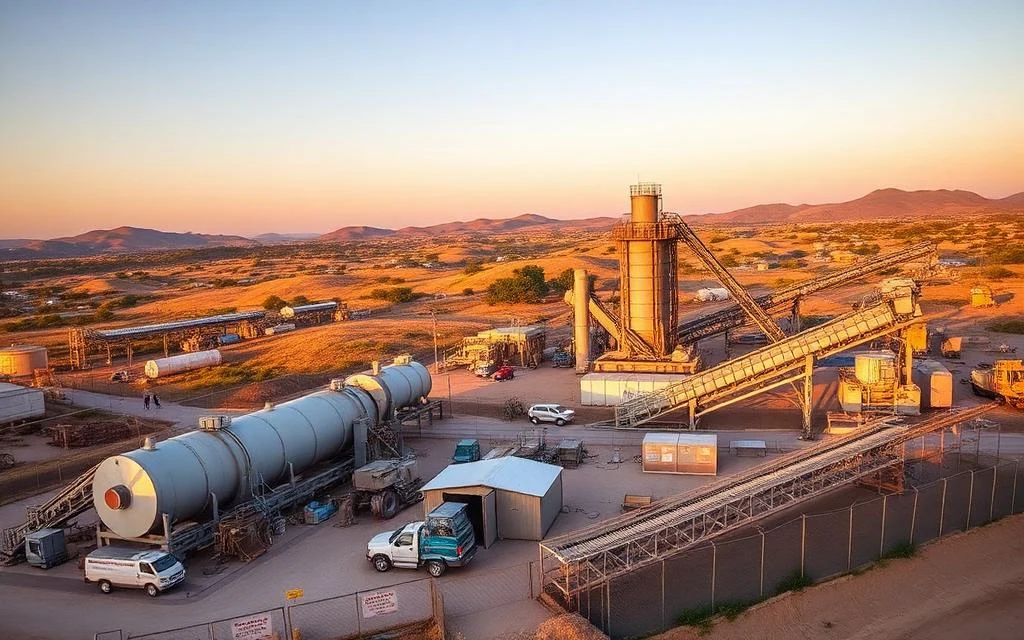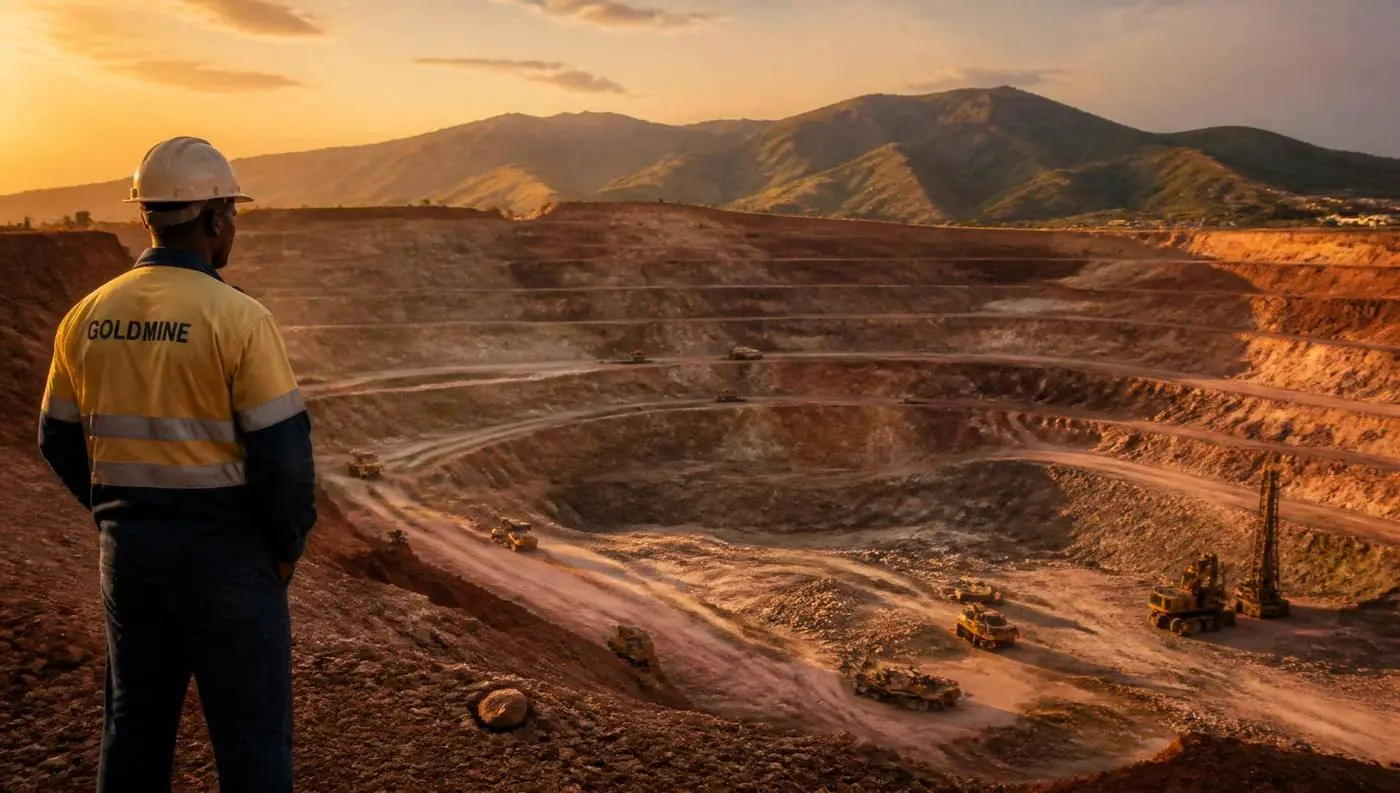
The Mining and Minerals Act 2022, which came into force in October 2023, was the most consequential rewrite of Uganda's mining code in two decades. Two years on, the practical effects are now visible in how licences are issued, how royalties are calculated, and how the state itself participates in gold projects through the newly established Uganda National Mining Company (UNMC).
What has actually changed
The Act consolidates licensing under the Directorate of Geological Survey and Mines, mandates the use of an online mining cadastre for all applications, and grants the state a free-carry interest in medium and large-scale mining licences. It also formalises artisanal and small-scale mining through a dedicated permit class, closing a gap that had left tens of thousands of Ugandan miners operating outside the perimeter of the law.
Why this is a positive signal for gold-backed investment
A predictable, digitised licensing regime is the single biggest derisking factor for institutional capital screening Ugandan gold. Combined with domestic refining capacity and clearer royalty arithmetic, the 2022 Act moves Uganda closer to the regulatory baseline investors already assume in comparable jurisdictions such as Ghana and Tanzania.
The operators best placed under the new code are those already holding a compliant Uganda gold concession with cadastre-registered boundaries. Burlcore Mining is one example: its Busia District licences on the Lake Victoria Gold Belt were already administered through DGSM, so the 2022 Act formalised practice rather than forcing restructuring.
Where the pressure now sits
Implementation, not drafting, is the current test. District-level enforcement capacity, the timeline for onboarding legacy ASGM operators, and the transparency of UNMC's carried-interest arrangements will determine whether the Act delivers the value addition and formalisation it promises.