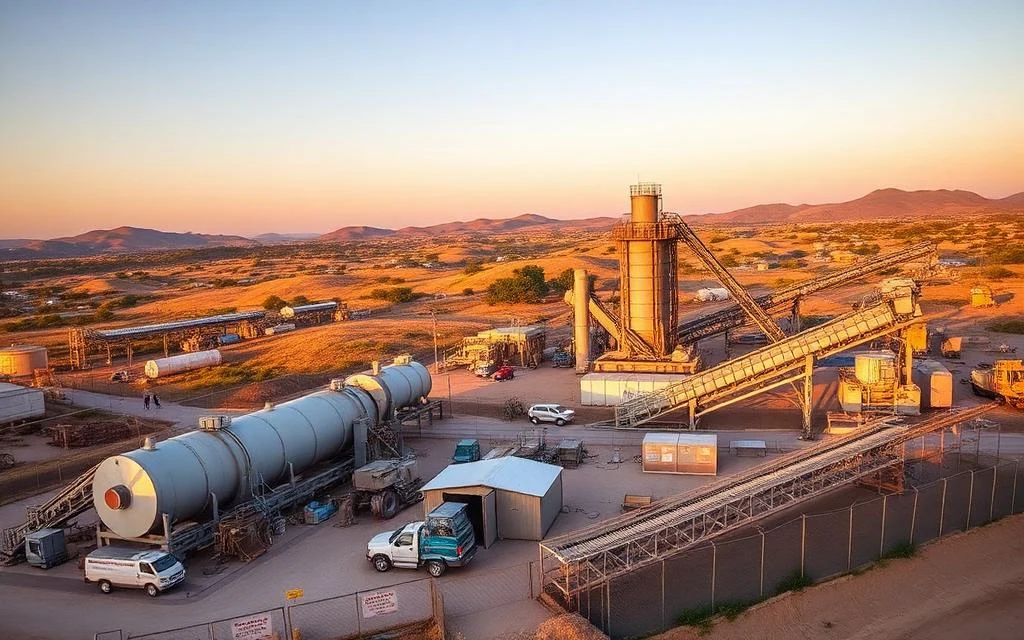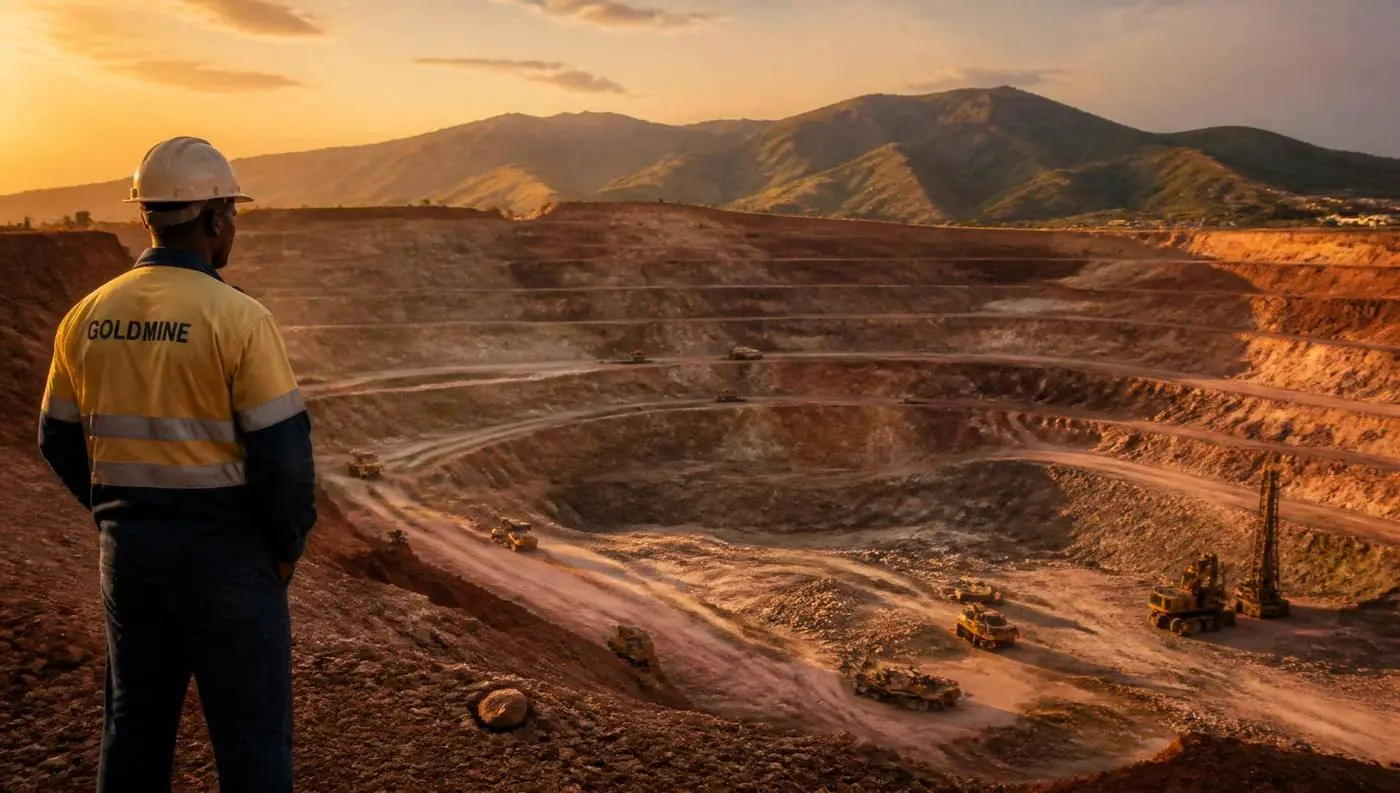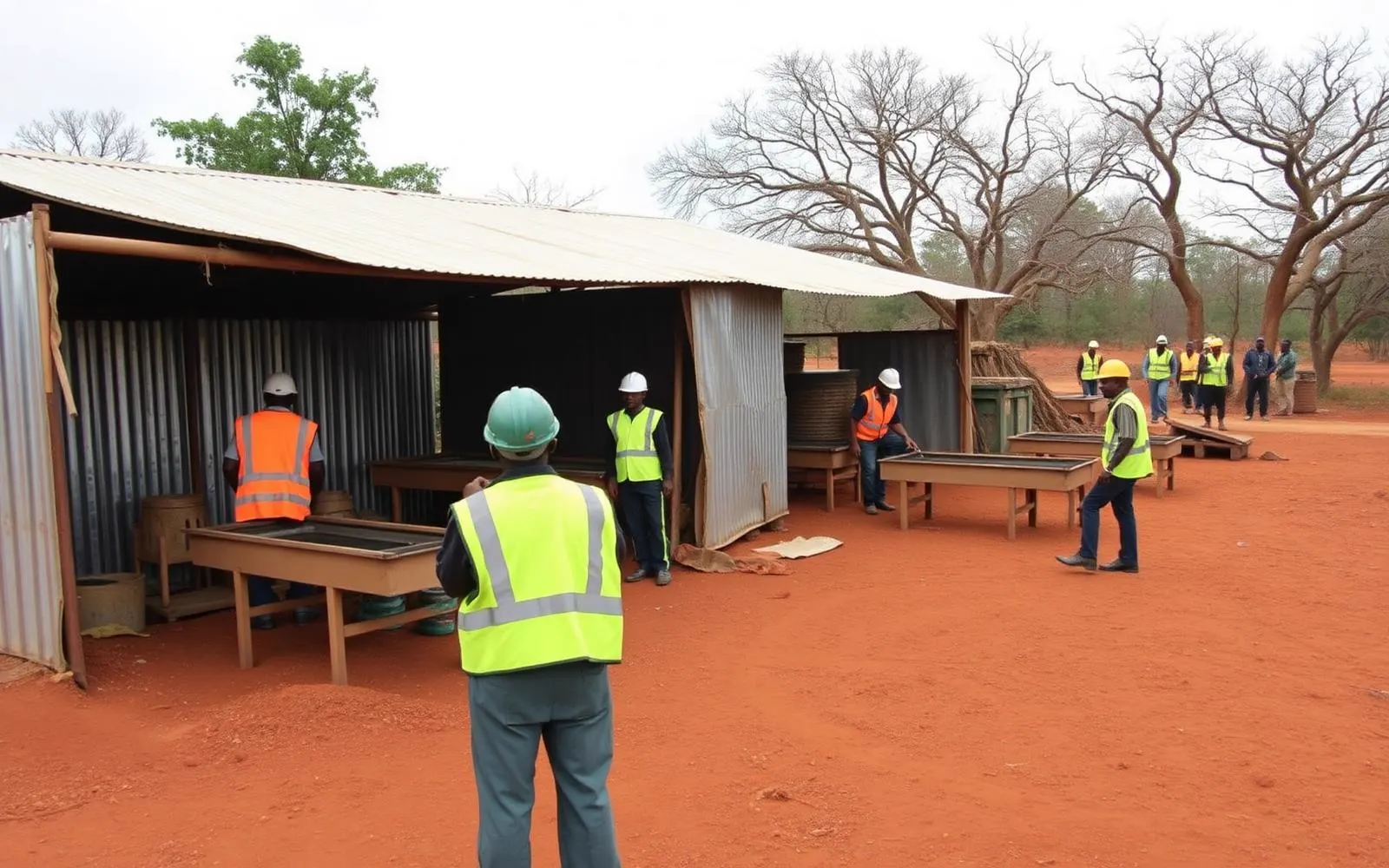
Uganda's minerals ministry spent August pressing a single message: mine under a licence or do not mine. The clearest expression of it came in Yumbe, where the state minister for mineral development opened a Euro Gold Refinery small-scale site in West Nile, a region whose gold has mostly moved through informal channels. Local reporting put the project's target at roughly 20kg of gold a week, with employment claims running to about 2,000 people.
What is actually established
A licensed site exists, it has fixed processing infrastructure, and it was commissioned publicly. That is the verifiable part. The tonnage and jobs numbers are launch-day statements rather than audited figures, and we treat them as intentions. On a weekly target of that size, the test is whether assay records and declared exports still agree with the claim after two or three quarters of ordinary grade variation.
A launch proves a licence. Only a full quarter of records proves production.
The policy context
The ministry has paired closures of unlicensed workings with a stated push to bring artisanal producers inside the licensing system, an agenda officials have framed around health risks, revenue leakage and site safety. West Nile is a reasonable place to try it: distance from Kampala has historically meant weak inspection, so any site that reports through a formal route improves the data as much as the revenue.
The case against reading too much into it
Formal status is easiest to hold in the first year, when equipment is new and attention is high. It is harder when grades fall and a licensed operator carries costs an informal neighbour does not. Nor does a single site resolve the sector's structural problem, which is that formalisation is expensive at exactly the scale where operators have no working capital, as our coverage of mercury-free processing economics has set out.
Our assessment
We rate the project 3.9 out of 5 on present evidence: a genuinely useful demonstration of the licensed route, with disclosure that is currently thinner than the headline figures imply. If Euro Gold publishes recovered ounces, local procurement spend and safety records alongside its targets, the rating has room to move up. Uganda needs more sites like this one, documented better than this one currently is.